

Royal Master Class

One of the world’s most famous and renowned ballet companies still is the Royal Danish Ballet. Having spent this New Year’s Eve in Copenhagen, I, as a passionate lover of ballet, had not only the possibility to see this magnificent ensemble on stage, but also the place embracing its work.

The story behind

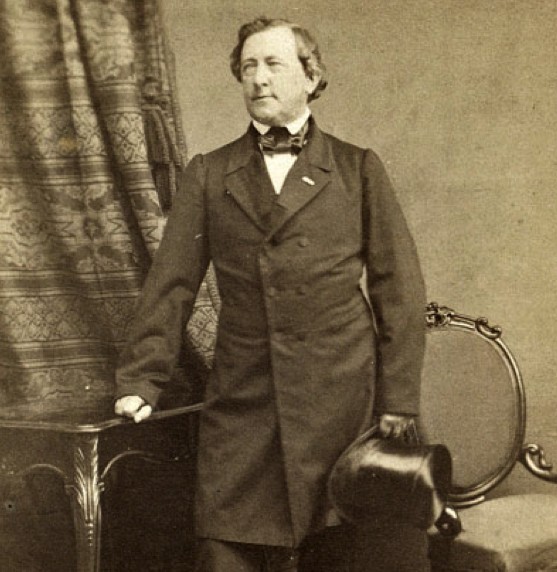
Already founded in 1748, the calling card of the Royal Danish Ballet still is the Copenhagen-born dancer and choreograph August Bournonville (1805 – 1879).

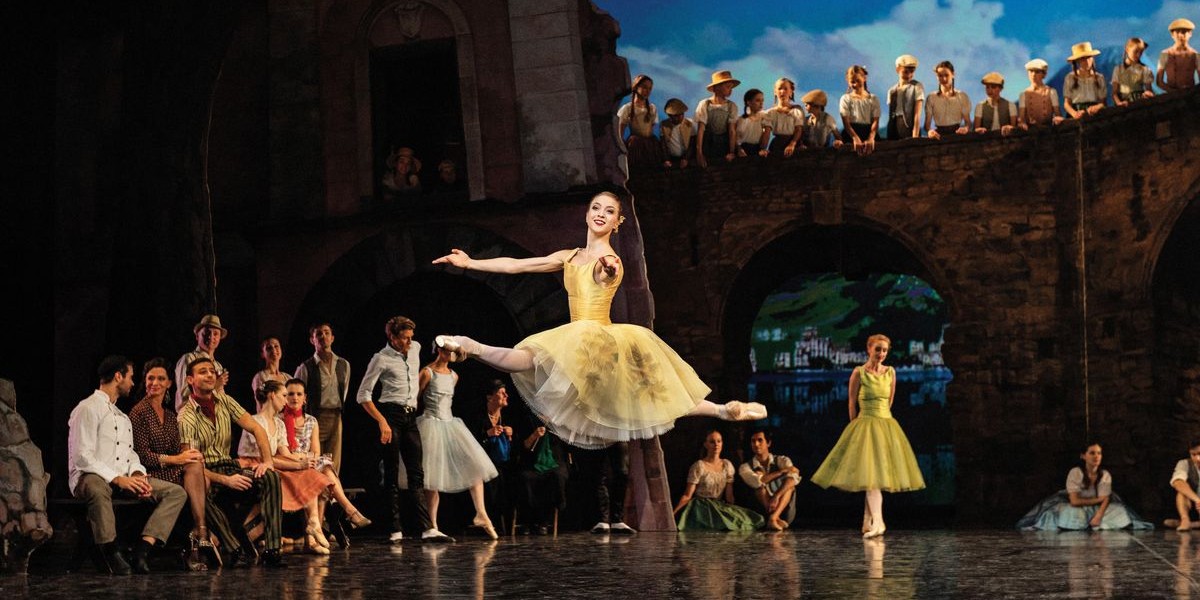
Educated in the best French and Italian dancing traditions, he became a sophisticated, elegant dancer, small and light with a beautiful jump and a great facility for mime. For him, the celebration of the joie de vivre outweighs the threatening and dramatic moments of the narrative ballet. With a few interruptions, he was the company’s ballet master from 1830 to 1877 and staged nearly 50 ballets.  

The Bournonville style

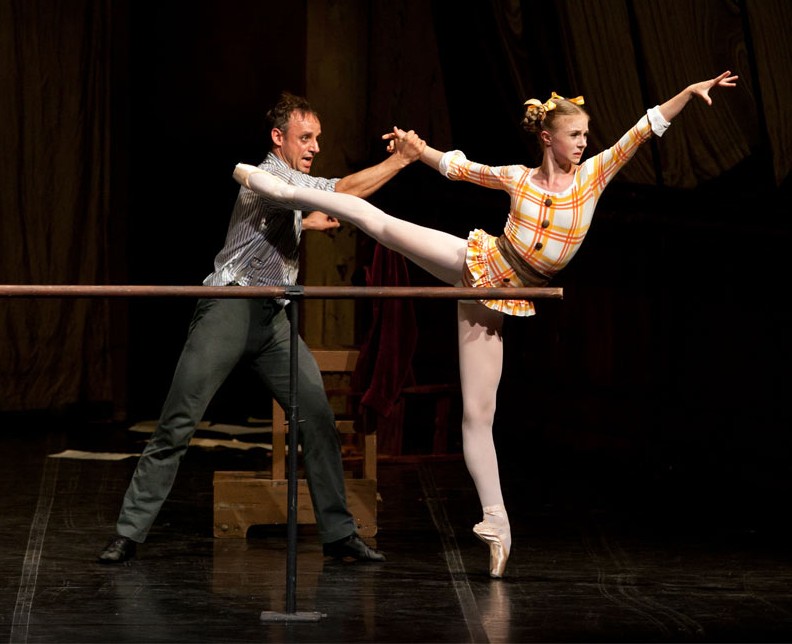
The Royal Danish Ballet’s unmistakable technique  is that of August Bournonville who perserved the early French style, the ‘école ancienne’, unfiltered and in its purest form.

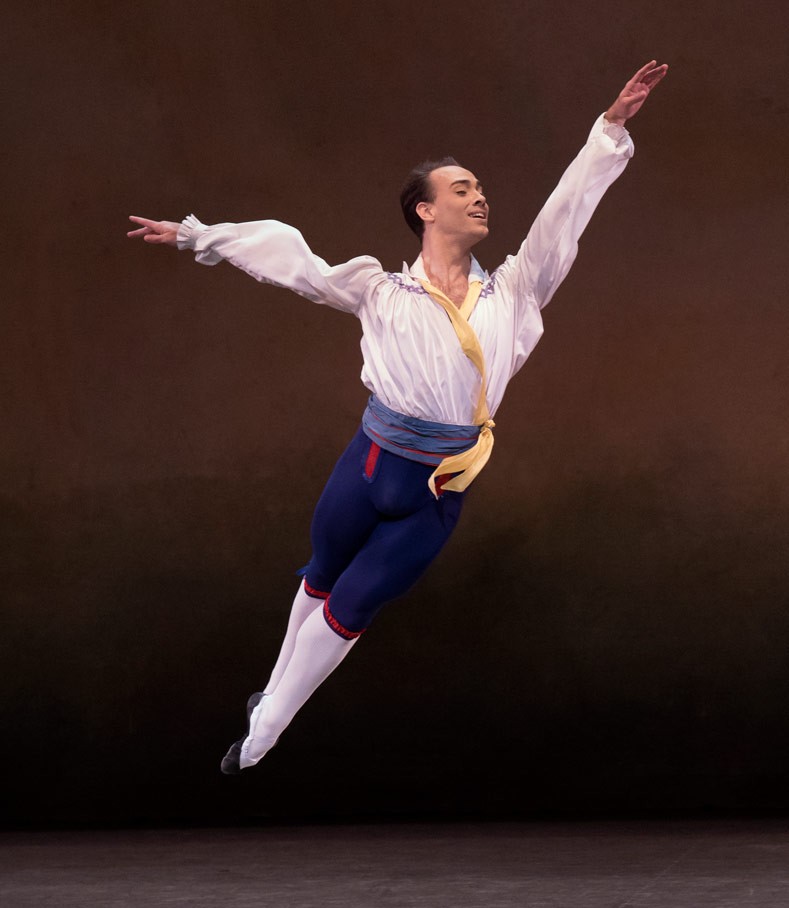
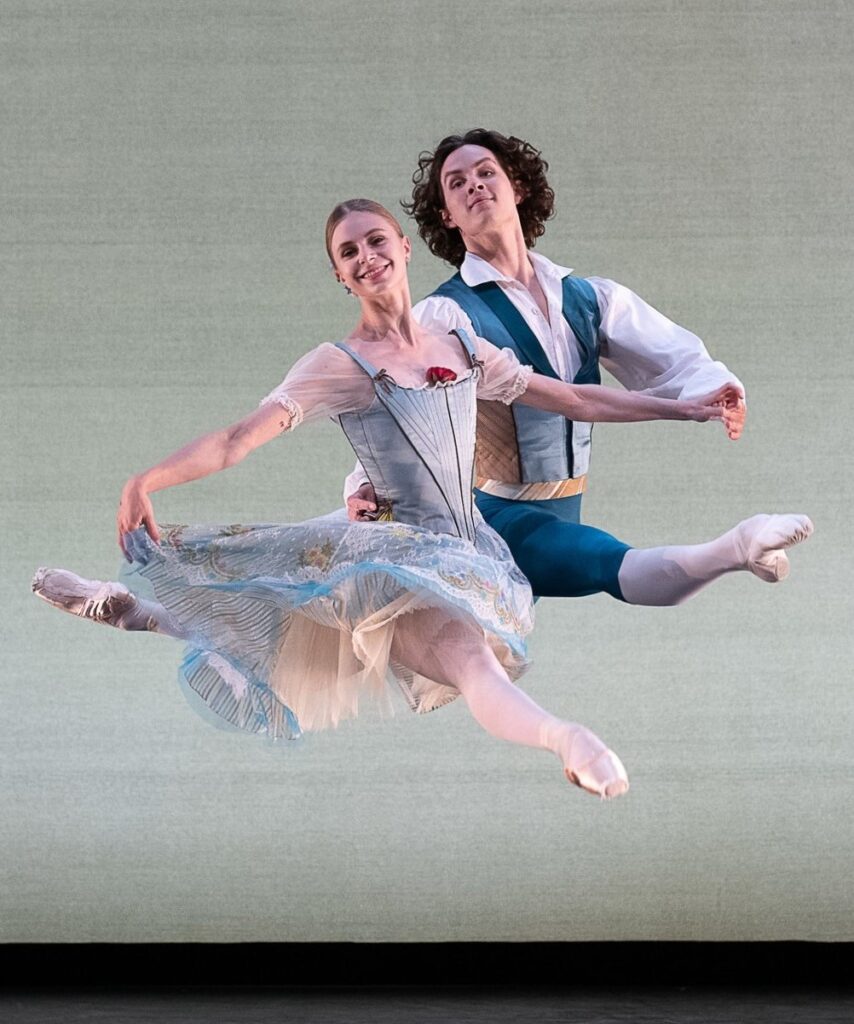
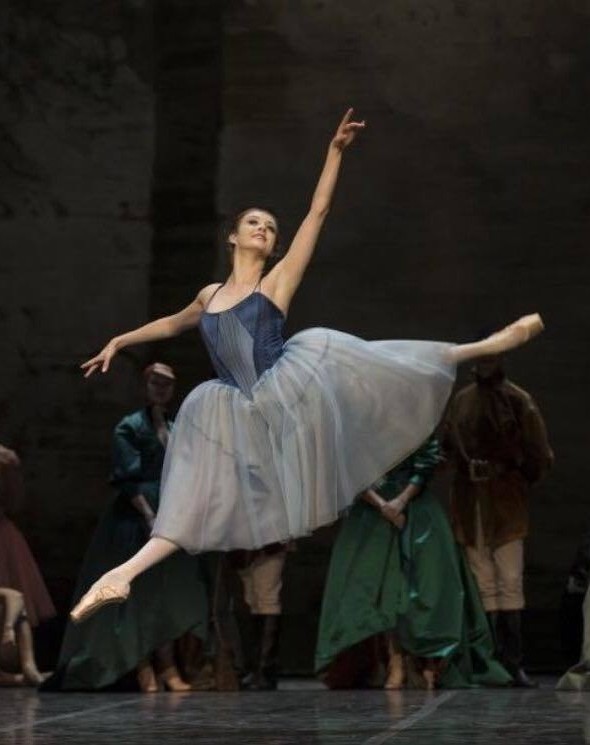
The method differs in its focus on effortless lightness, graceful beauty and natural elegance. Musical precision as well as a perfect harmony between legwork (the ‘rhythm’) and arm movements (the ‘melody’) make the style unique and uniquely demanding.

Based on this, Bournonville created and promoted male dancing as a driving force at a time when it was not yet granted an equal role alongside the ballerina for which he is also highly credited. An extremely agile batted jumping and turning technique  which contrasts with calm arms was considered a hallmark of an excellent male dancer.

The Royal Danish Ballet, however, did not dwell in the past. During the 20th century the company evolved into a modern one performing the work of Danish choreographers like Harald Lander or Flemming Flindt as well as of the most important international ones. Today, its extensive repertoire thus also includes the ballets of George Balanchine as well as of Jiri Kylian and John Neumeier.

Adding this and the fact that the company performs the great classics – Giselle, Swan Lake, The Nutcracker, The Sleeping Beauty – the distinctive special feature of the Royal Danish Ballet remains its beautiful storytelling ballets in continuation of the Bournonville tradition.

The Royal Theatre

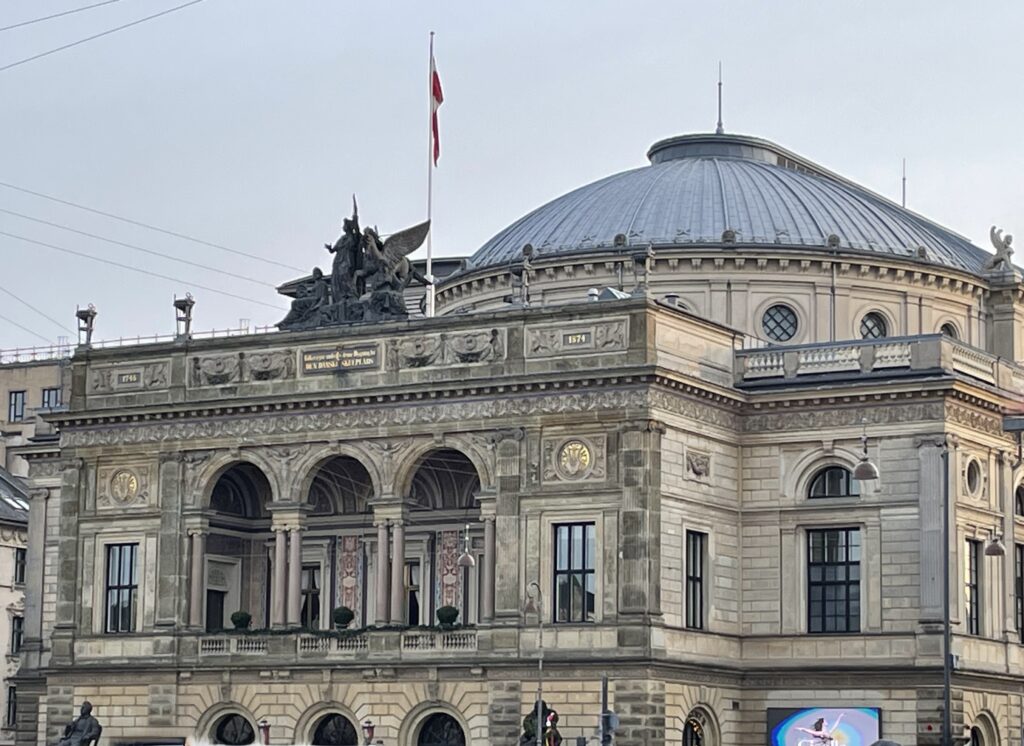
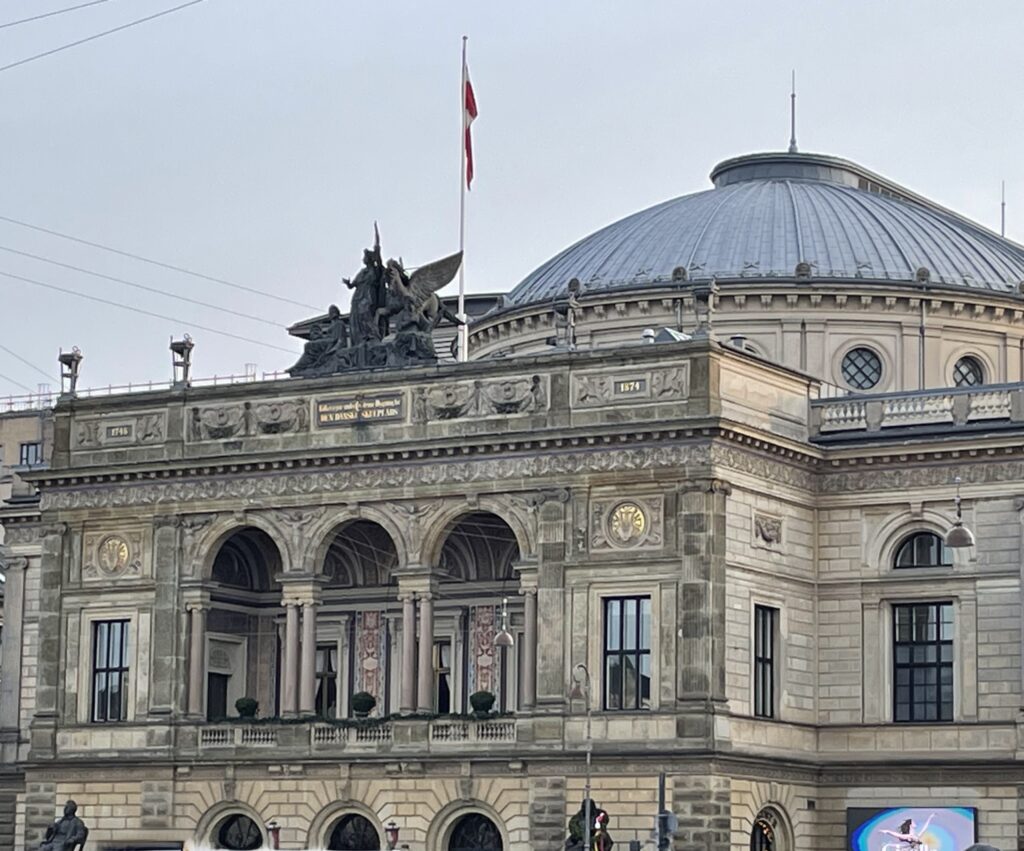
The Royal Ballet’s home is still the Royal Theatre at Kongens Nytorv, the so-called ‘Old Stage’ or ‘Gamle Scene’.

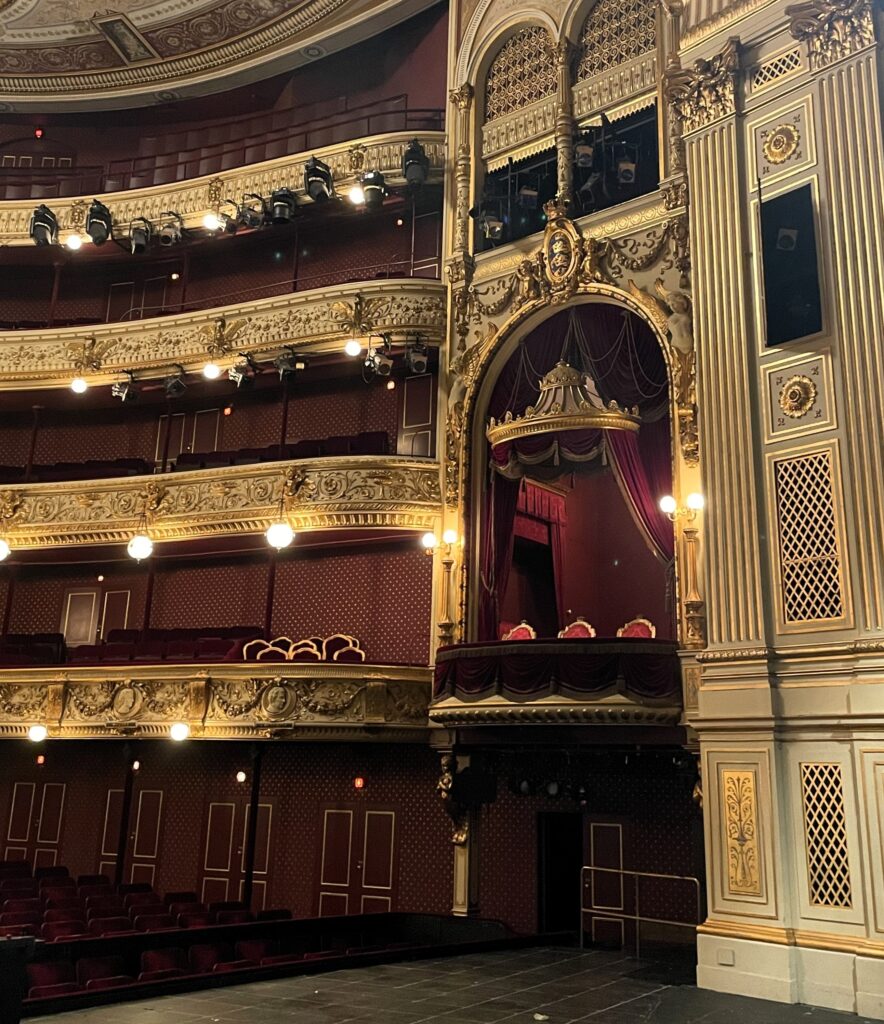
The current building was constructed according to the plans of the Danish architect Vilhelm Dahlerup and finished in October 1874. The auditorium of this beautiful historical building also includes a box for the royal family. Even the previous buildings of which the first was erected in1748 have been located here.

The current building was constructed according to the plans of the Danish architect Vilhelm Dahlerup and finished in October 1874. The auditorium of this beautiful historical building also includes a box for the royal family. Even the previous buildings of which the first was erected in1748 have been located here.

The Royal Theatre’s entire concept includes not only ballet but also the disciplines drama, opera and concert. To ensure sufficient scope and modern stage technology possibilities, a new opera house was built on top in 2005 and a new playhouse in 2008.

Backstage 

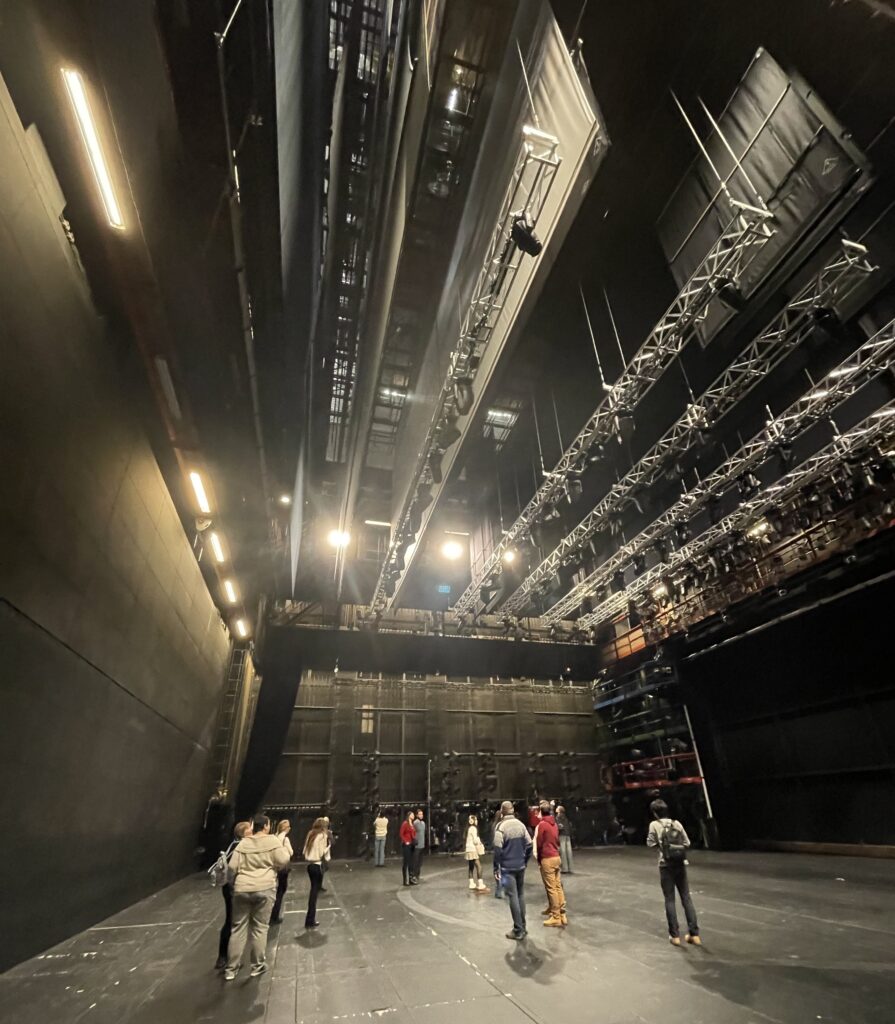
For me, it is always a special experience to explore a theatre backstage through a guided tour. And when I write backstage, I mean exactly that – getting a unique glimpse behind the scenes.

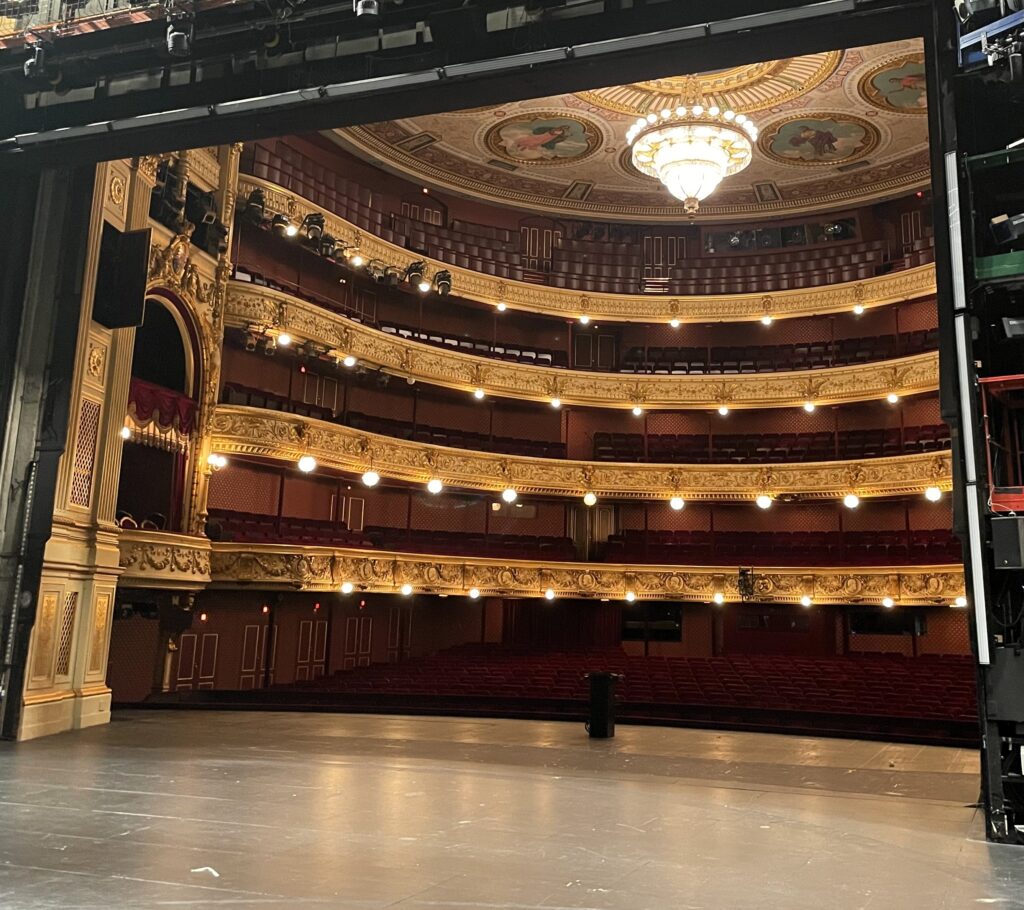
So to stand where ballet dreams come true, where the dancers of the Royal Danish Ballet perform, the true workplace of the artists, again conveyed a fascinating feeling to me. And the multi-room-high stage also impresses with its dimensions, exceptional for such a historical building.

When the curtain rises, the view opens up to you, different than usual if sitting right in the middle of the audience, the wonderful architecture of the auditorium and its baroque interior decorated with gold, velvet, chandeliers and ceiling paintings.

Being there, one even looks out at the imposing box reserved solely for the royal family. 

And the special rules at the traditional Gamle Scene when members of the royal family attend a performance? They are only granted access to the box once the audience has already taken their seats. When they finally enter the box, the audience greets the royal guests by standing up and by remaining standing until they have sat down.

The extension building

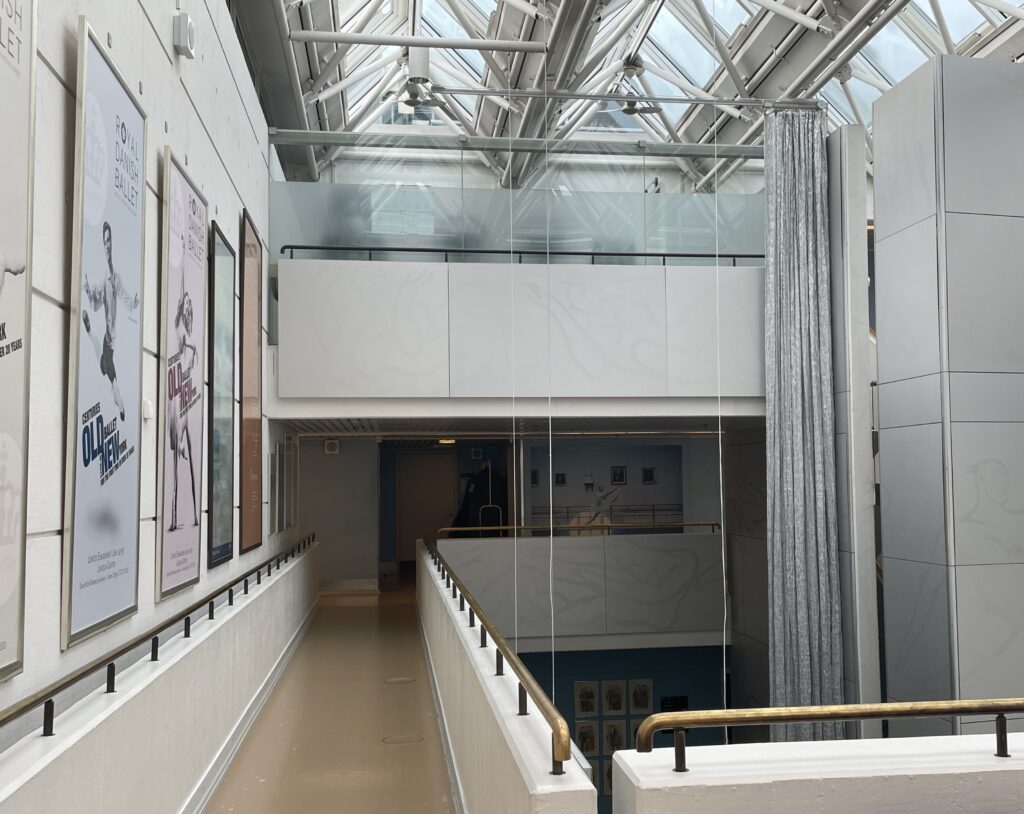
In the late 1980s, the Old Stage was expanded and renovated. 

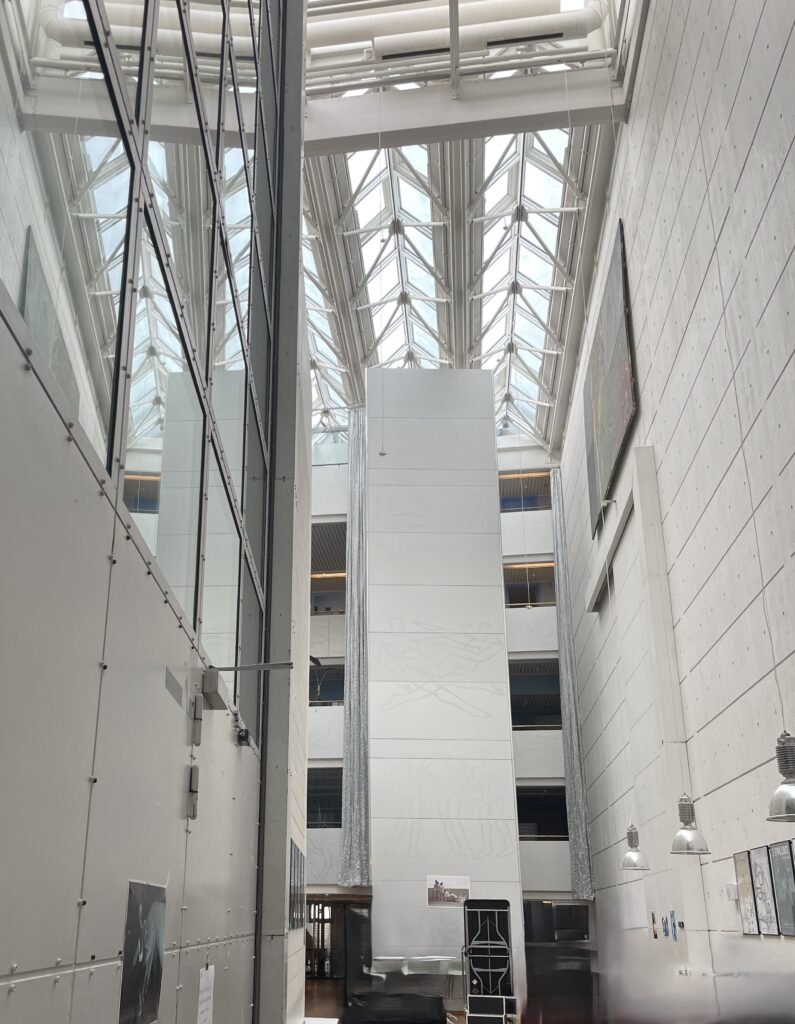
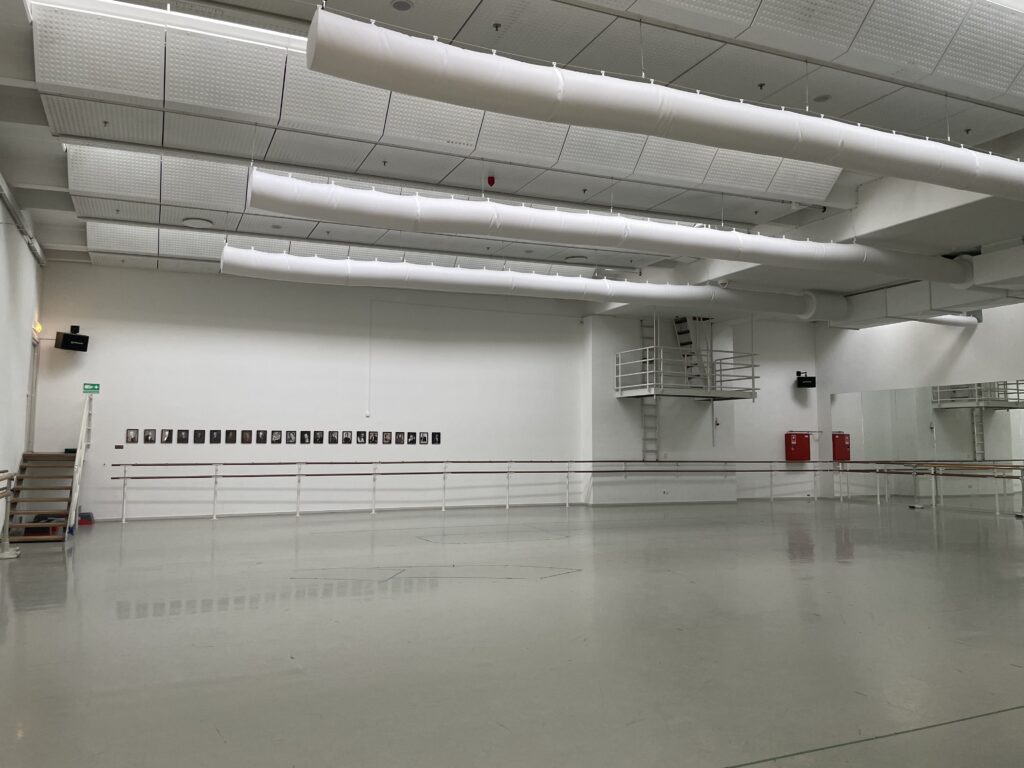
In a new intermediate building behind the scenes of the historic one, a ballet training room with exactly the same dimensions as the stage, changing rooms and backstage areas for requisites, sceneries, painting and costumes were created. The construction features skylights and double-height spaces which capture the light, thus guaranteeing a special atmosphere.

The costume department

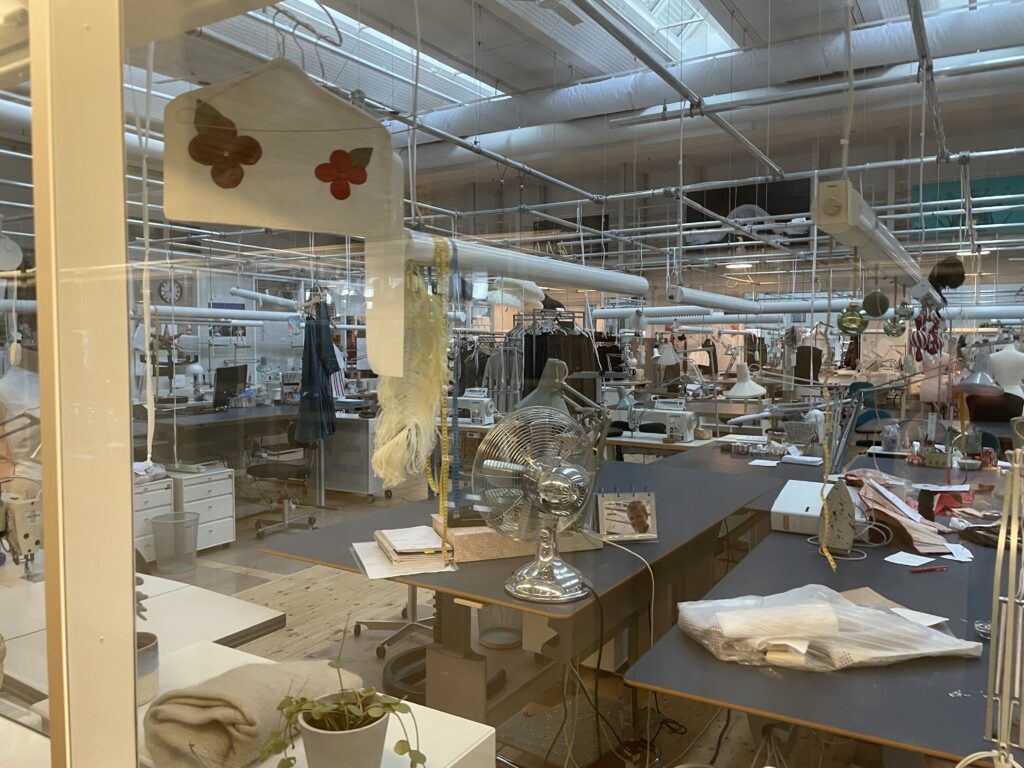
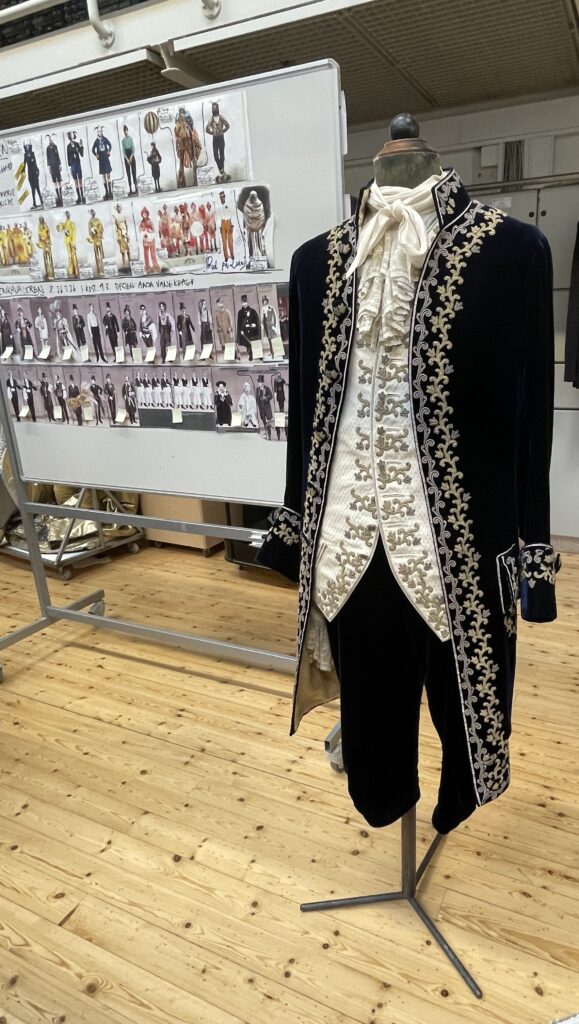
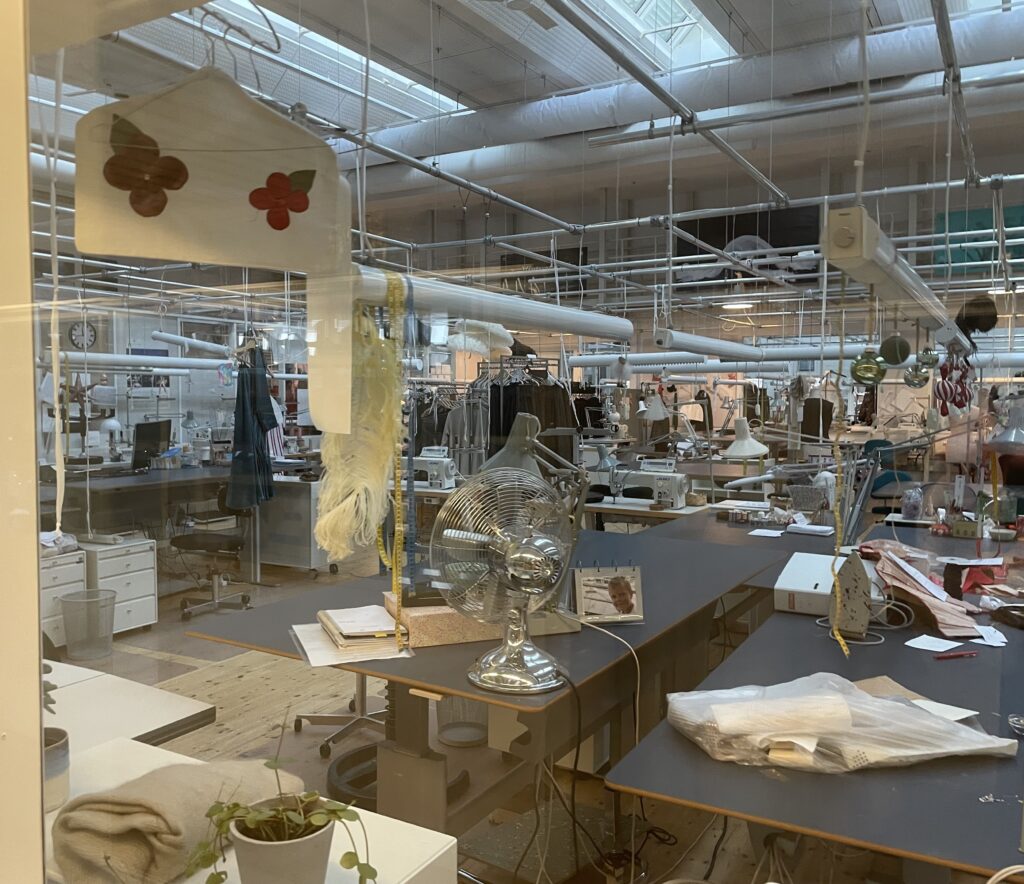
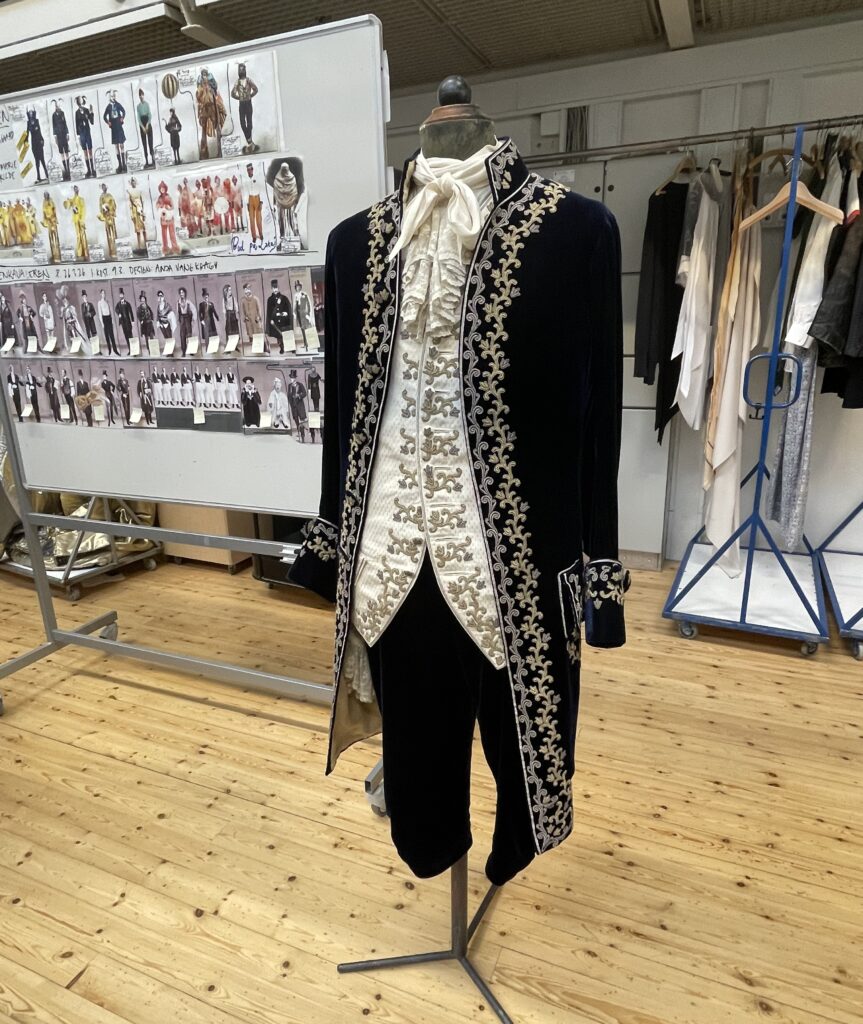
Even impressing is the costume department where the guided visitor gets an insight into the production of magnificent pieces. 

Because the Old Stage possesses not only a huge pool of historical as well as newer costumes: In several tailoring rooms, the costumes for the famous performances of all three royal houses are designed and made.

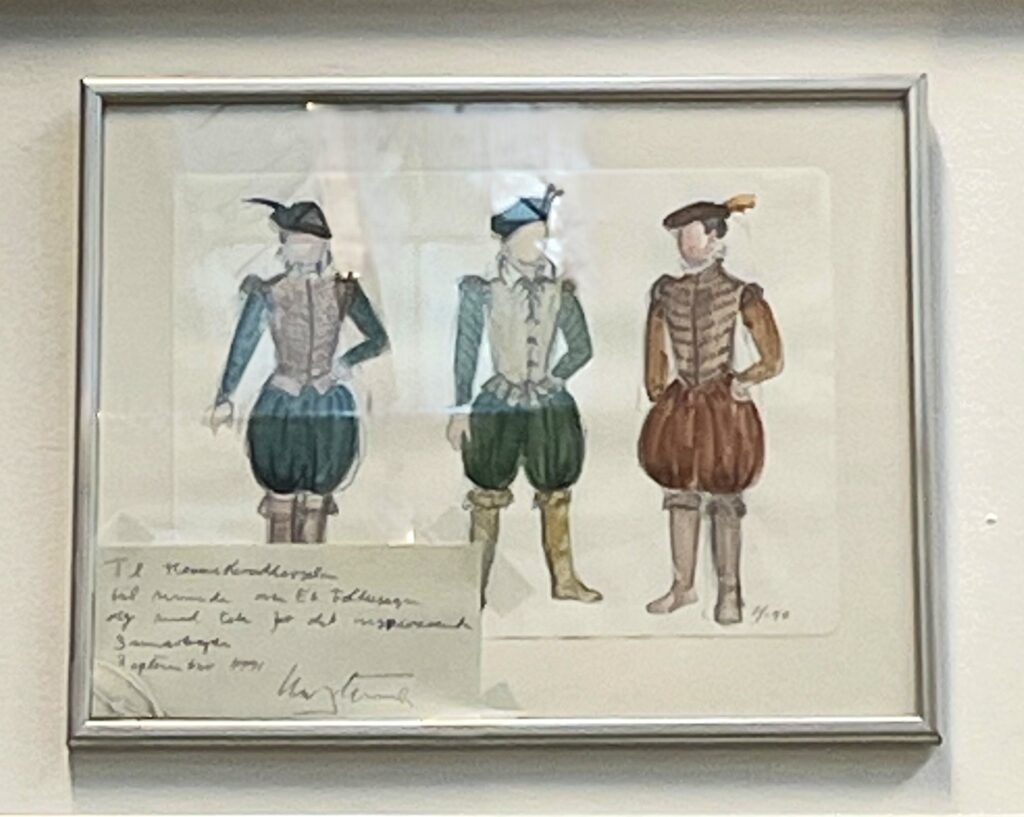
And here too, the involvement of members of the royal family is not lacking. Thus even often costumes based on designs of Queen Margrethe are brought to life by the theatre`s master tailors. 

Royal, indeed.

Even impressing is the costume department where the guided visitor gets an insight into the production of magnificent pieces. 

Because the Old Stage possesses not only a huge pool of historical as well as newer costumes: In several tailoring rooms, the costumes for the famous performances of all three royal houses are designed and made.

And here too, the involvement of members of the royal family is not lacking. Thus even often costumes based on designs of Queen Margrethe are brought to life by the theatre`s master tailors. 

Royal, indeed.

Published January 15, 2026

You may also like

Modern Art. Collected.

Modern Art. Collected.

A rainy weekend day in a city like Venice. Best to spend some hours in a gallery, a museum – surrounded by an atmosphere of creativity and aesthetics.

Previous Article

Previous Article