
Fascination Eau de Parfum
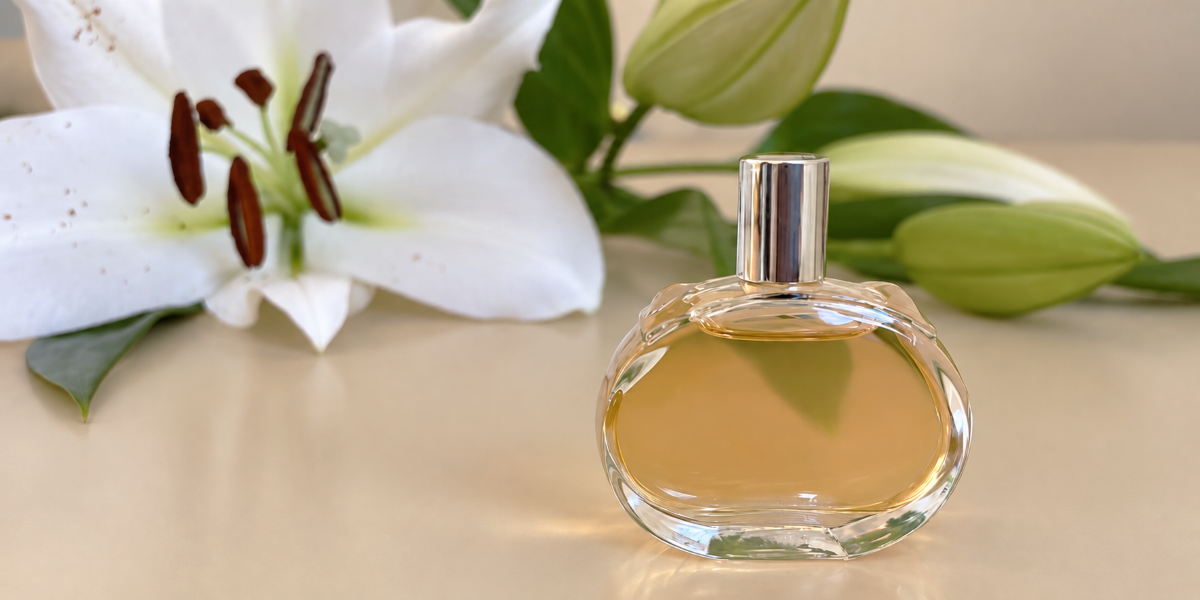
Eau de parfum, even known as ‘EdP’, is one of the most popular forms of fragrance in the world of scents. As its fragrance concentration creates and ensures an expressive and long-lasting scent trail even during the cooler months of the year, fragrances of this type are preferably launched in autumn.
Fall/winter 2026 presents itself with compelling, intensive interpretations of the iconic fragrance heritage of many a couture house and master perfumer. And it is noticeable that most of these olfactory creations, as well as new ones, follow the structure of a classic chypre fragrance.
Fragrance concentrations
But let us first begin our beautiful fragrance journey with an excursion into the history of perfume and its various concentrations.
The base of a fragrance is a concentrate. It consists of pure raw materials such as essential oils, natural essences and/or synthetic substances. This mixture is combined with alcohol to facilitate its diffusion, and distilled water. Both make the majority of the fragrance; the oils constitute its actual scent. The oils’ proportion – the concentrate’s proportion – is called ‘fragrance concentration’. And the more concentrate is diluted, the stronger the scent.
The fragrance oil content may range from one to forty percent. When highly concentrated, the fragrance appears more intense compared to a less concentrated version and also lingers longer. You identify the different fragrance concentrations by their names: from a captivating eau de parfum to a light eau fraȋche.
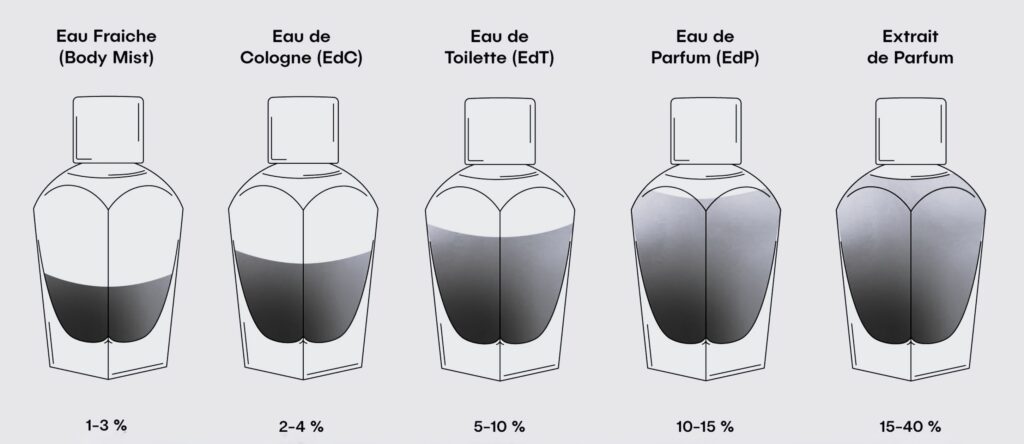
Classic, enduring, versatile: As a guideline for an eau de parfum a fragrance oil content of ten to fifteen percent is cited. This concentration most manufacturers offer. However, the percentages may not be seen as a universal guarantee. And the ‘eau de parfum’ should be understood as a point of reference within a product line regarding scent character, projection and quality.
A parfum, often also called an extrait de parfum, is usually offered in a higher concentration than an eau de parfum and can vary between fifteen to forty percent. This results in a denser structure, lower volatility or greater longevity. However, for different concentrations, brands do not always simply vary the quantity of the same fragrance blend. You may experience this in the fragrance launches of this autumn as well. A parfum and an eau de parfum sharing the same name do possess different focal points, notes or scent progressions. The parfum, for example, can come across as warmer or more base-not-focused, whereas the eau the parfum projects a brighter scent.
Suitable for every day, uncomplicated: The fragrance oil content of an eau de toilette is reduced to five to ten percent. But the same applies here: the actual formula is more important than the label. Thus the eau de toilette may feel lighter, brighter, and often more citrusy in the opening, providing a discreet scent, whereas an eau de parfum frequently carries more weight in the heart and basis note.
With a fragrance concentration of two to four percent, an eau de Cologne is light, airy and subtle. The oily content, very low, fades just a few hours after you apply it. Nevertheless a spritz refreshes and leaves a soft scent. Moreover, eaux de cologne are classified as so-called ‘close-to-the-skin’ scents, as they are only perceptible to others when, for instance, they near the wearer.
Fleeting, delicate, summery: No scent is lighter than an eau fraȋche, as the fragrance concentration is only one to three percent. It gives an impression of the eau de parfum, but vanishes away in an instant. Eaux fraȋches appear particularly natural and caress you merely with a subtle hint of the fragrance. They can have a refreshing, revitalizing or soothing effect; the eau dynamisante belongs to the same family.
The origins of ‘parfum’ and of fragrance concentrations go back a long way. As early as ancient Egypt, priests honored their gods by filling entire temple complexes with heated aromatic blends. Pharaos, too, began to perfume themselves. In the 17th century the perfume trade in France experienced a boom: At that time, personal hygiene with water was frowned upon as it was believed that water could introduce germs into the body. The nobility therefore washed itself primarily with scented water – ‘eau de parfum’ – to mask body odors. For the less affluent population the perfumers of that time developed the less expensive ‘eau de toilette’. The fragrance concentration ‘eau de Cologne’ dates back to the 18th century: Its inventor is Johann Maria Farina who wanted to create a fragrance that masks unpleasant odors with freshness. Instead of heavy floral essences which were common until then, he used zested notes such as bergamot, lime and grapefruit in a low concentration; he named his fragrance after his adopted homeland, Cologne. The fragrance concentration ‘eau fraȋche’ is a more recent creation, designed to address the need to refresh oneself.
HERMÈS Barénia Pleine Fleur EdP
One of the most fascinating eau de parfum experiences and a new chypre one – ‘chypre’ refers to a classic fragrance family – we may encounter this autumn: HERMÈS’ Barénia Pleine Fleur Eau de Parfum.

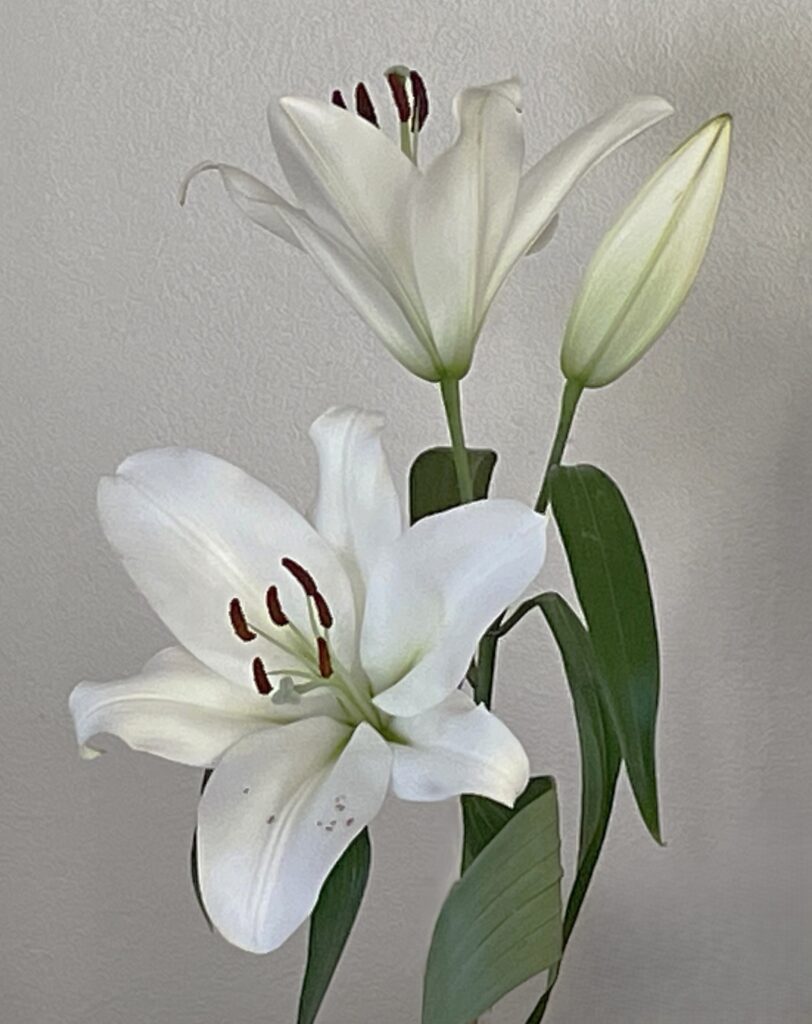
Already with its predecessor – Barénia – the perfumer Christine Nagel and Hermès launched the house’s first chypre creation that captivates with its feminine sensuality, woody notes and unforgettable elegance. The scent of the butterfly lily blends with delicacy of the miracle berry and the warmth of oakmoss and patchouli.
Even the bottle of the new fragrance remains true to the creation of Philippe Mouquet, designed in delicate shades of pink to orange, the elliptical curves forming a gentle contrast to the metal plate decorated with pyramid-shaped rivets.
One of the most fascinating eau de parfum experiences and a new chypre one – ‘chypre’ refers to a classic fragrance family – we may encounter this autumn: HERMÈS’ Barénia Pleine Fleur Eau de Parfum.
Already with its predecessor – Barénia – the perfumer Christine Nagel and Hermès launched the house’s first chypre creation that captivates with its feminine sensuality, woody notes and unforgettable elegance. The scent of the butterfly lily blends with delicacy of the miracle berry and the warmth of oakmoss and patchouli.
Even the bottle of the new fragrance remains true to the creation of Philippe Mouquet, designed in delicate shades of pink to orange, the elliptical curves forming a gentle contrast to the metal plate decorated with pyramid-shaped rivets.
With the new eau de parfum, Christine Nagel celebrates again the haptics of its majestic blossom as well as of the uniqueness of Hermès heritage leathers which are all ‘pleine fleur’, the French expression of ‘full-grain’ and thus of first-class quality. Besides the captivating white lily impress radiant notes of orange blossom with the structure of a chypre scent. A composition of unexpected elegance.
Worth mentioning: In 1917 the perfumer Francois Coty created the legendary perfume ‘Chypre’ which gave this fragrance family its name. He drew his inspiration from nature and the Mediterranean atmosphere of the island of Cyprus. The classic scent pyramid: fresh citrus oils such as bergamot, lemon or orange in the top note; floral accords like rose or jasmine in the heart note; and woody-earthy components such as oakmoss, patchouli and labdanum in the base note.
VALENTINO Vendetta Donna EdP
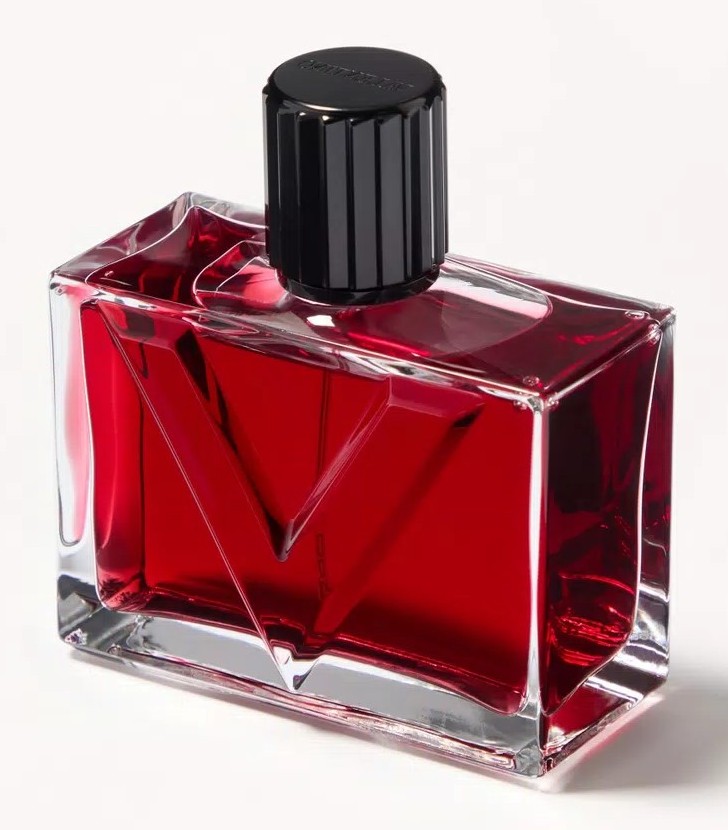
The maison VALENTINO’s new, sensual fragrance creation for women, Vendetta Donna Eau de Parfum, means a story of emotion and intensity – and of passion, rediscovered as a conscious decision.
The scent was designed in a remarkable collaboration of master perfumer Dominique Ropion and Andrew Everett. A sculptural flacon featuring a striking graphic V rounds it off, additionaly underscored by its deep red color which reflects the house’s couture identy, namely its founder’s beloved and so-called ‘Valentino Red’.
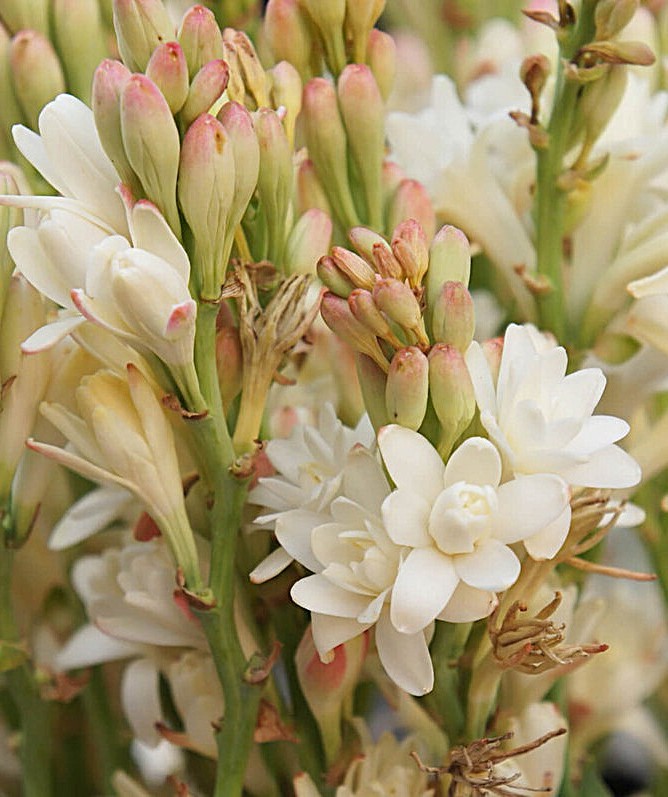
At the heart of this floral-woody fragrance composition is Colombian tuberose, known for its almost aphrodisiac scent. A luscious red orange nectar accord introduces a liqueur-like sweetness. Refined with warm sandalwood.
Herewith, the tuberose is obtained through the revolutionary air-capture extraction technology Osmobloom, resulting from an exclusive partnership between L’Oréal and Cosmo International Fragrances. A gentle airflow captures the molecules naturally exhaled by the flower, leaving it intact. The process operates entirely without water, heat, cooling or petrochemical solvents, and is therefore sustainable. On top, Osmobloom offers high-fidelity extracts even from so-called ‘mute flowers’ like lilies of the valley or hyacinths that do not release their scent via traditional methods; now, for the first time, they are accessible in a true-to-nature form.
MIU MIU Miutine Intense EdP
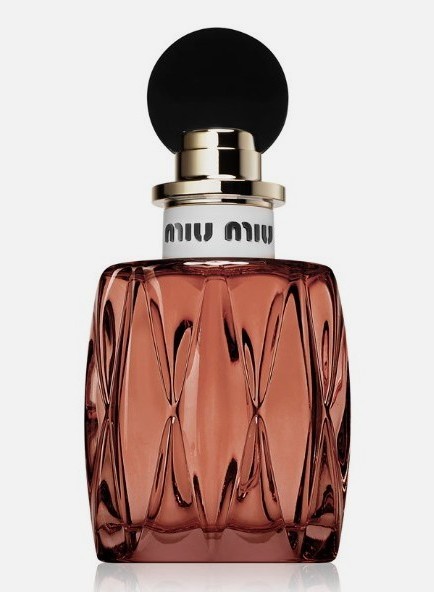
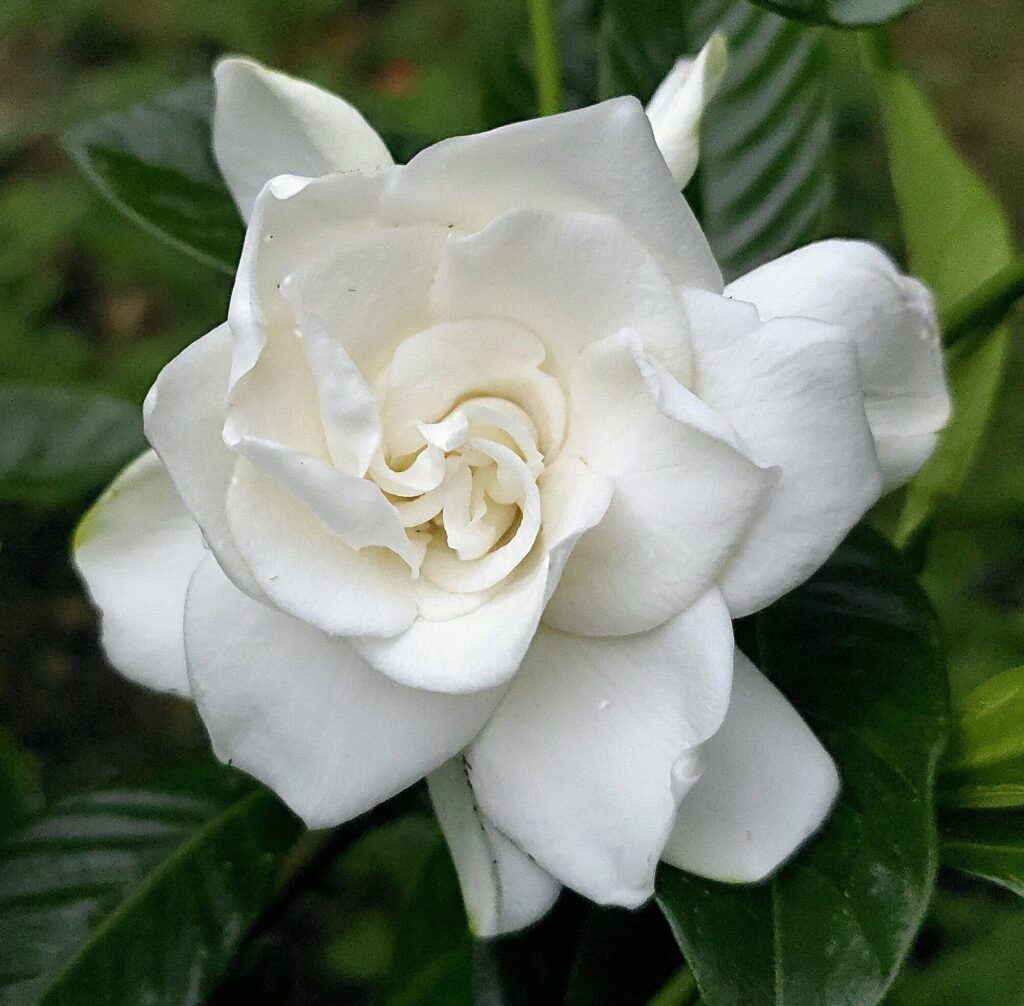
Already MIU MIU’s Miutine was a gourmand fragrance experience that also drew inspiration from the timeless classic of women`s perfumery, the chypre family. Miutine captivates with a blend of vibrant citrus notes, the soft sweetness of gardenia, and rich oakmoss and patchouli. enriched with an explosive duo of wild berries and brown sugar.
Its story now gains a new chapter with a more intense version, Miutine Intense Eau de Parfum, ‘celebrating the sensual decadence of rebellious sweetness’. The nose behind the fragrance – once again Dominique Ropion. And here, too, a couture flacon seduces the brand and perfume lover.
The amazing scent of this eau the parfum derives its fruity-floral expressive power from the velvety depth of notes of blackberry which are combined with the familiar and impressive radiant freshness of gardenia in the heart note, while the richness of bourbon vanilla in the base note envelopes the composition into a sophisticated warmth. Simply true refinement.
DIOR Miss Dior EdP
In 1947 the visionary perfumer-couturier Christian Dior created the maison’s very first fragrance Miss Dior which was to enchant the lives of women worldwide, along with his debut collection, known as ‘New Look’. In the heart note, the centifolia rose unfolds a delicate sweetness with honey-like and subtly peppery accents.
For 2026 perfumer Francis Kurkdjian recomposed the fragrance as a richer, creamier floral chypre. The new Miss Dior Eau de Parfum also comes in a redesigned flacon; the iconic bow now features the houndstooth pattern characteristic for Dior.
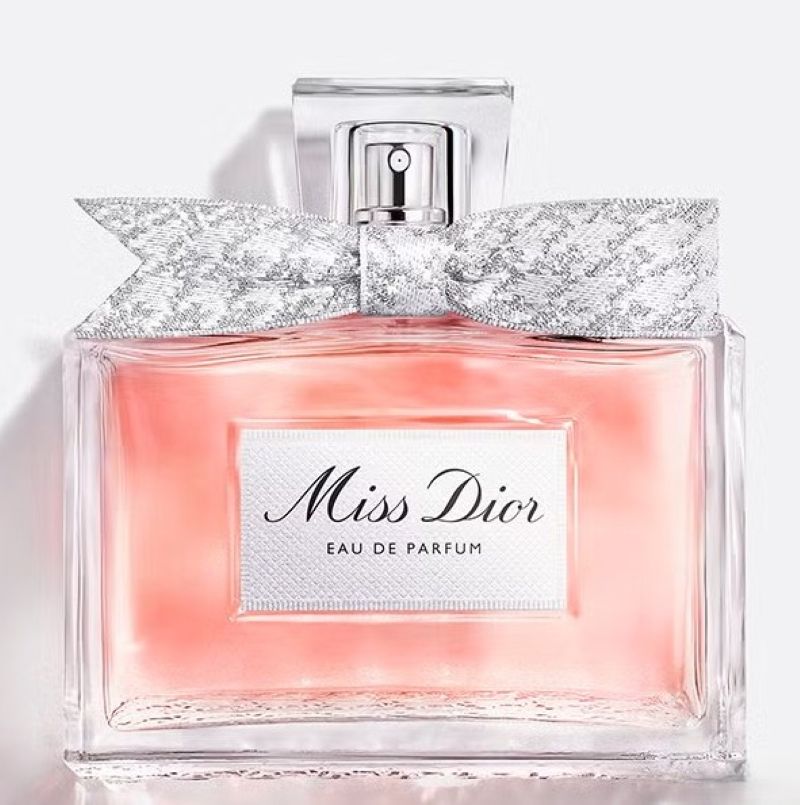
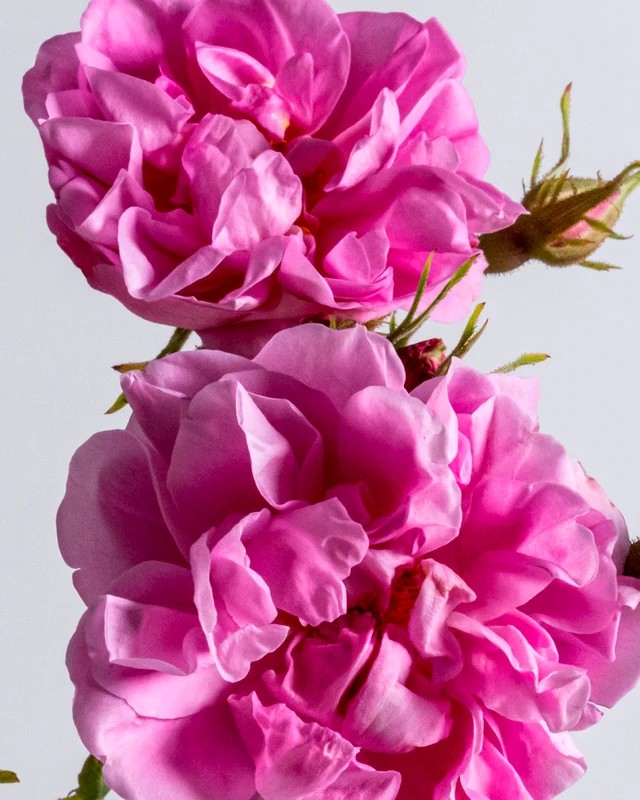
The new version of the house’s feminine signature envelopes the centifolia rose (rose de mai) absolute in creamy vanilla, rich tonka bean absolute, and milky sandalwood, thus creating an intense and long-lasting embrace. At the same time the refined character that has distinguished the Miss Dior collection for nearly eight decades is preserved.
The exceptional rose absolute is still cultivated in Dior’s exclusive rose gardens in Grasse – the world capital of perfumery, located in the heart of France. Here, between the sea and the mountains, extraordinary flowers flourish, leaving behind a powerful fragrance shaped by artisanal craftmanship.
Which of this wonderful autumnal eaux de parfums will become your new favorite fragrance?