

Design Icons

They impress with outstanding design, innovative concepts and often pioneering materials that represent the zeitgeist of their era: interior classics. These design icons combine style, functionality and durability and tell wonderful stories of their creation. 

And they keep up with the time when being integrated in the fall 2026’s trends which show that interior design is more intentional than ever. Premium natural materials, extravagant textiles and aesthetic earthy colors shape the home living scene.

Residing with class

Rich fabrics mean the be-all and end-all in the actual season’s design compositions for your living room, communicating a touchable as classy comfort. This interior trend, Including the revival of tubular details and a certain focus on hospitality crossover, leads us to the following extraordinary interior icons.

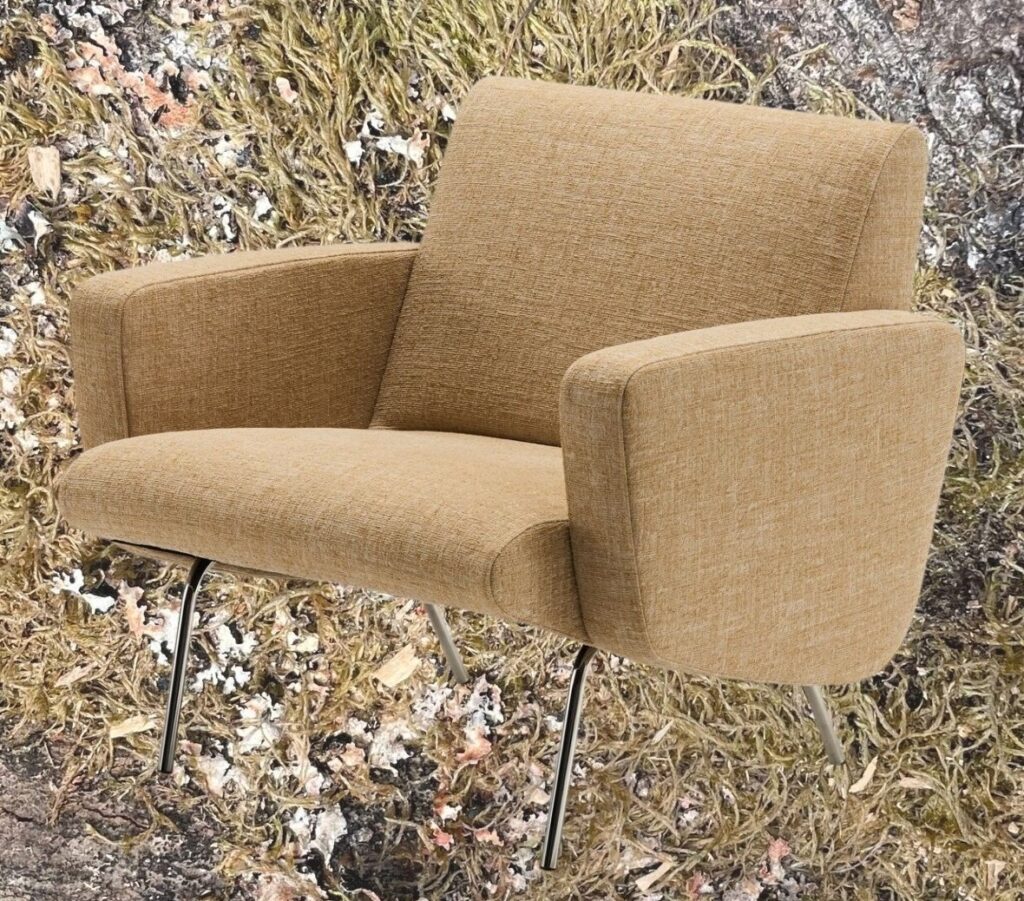
A new outlook on life calls for new furniture. This was also the case in the late 1950s, when the Frenchman Pierre Guariche opted for lightness rather than representation. One of his most emblematic designs, the armchair Breda, with its almost floating design, perfectly embodies this intention.

Lignet Roset added the classic back into the collection. The interior icon and one of my favorites I find particularly lovely in beige tones and fabrics, as it has a natural, autumnal feel. 

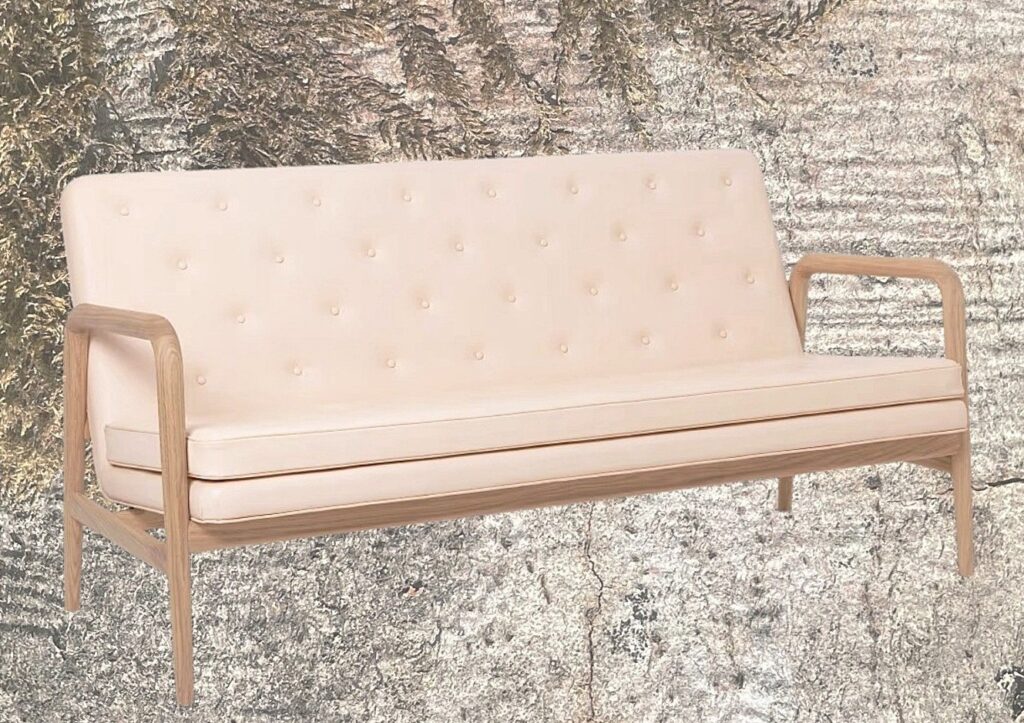
‘Form follows function’, so the Bauhaus philosophy. ‘But properly understood, function also encompasses beauty’, perfectly describing the personality and work of the architect Vilhelm Lauritzen who ranks among the leading figures of Danish Modernism. With the Radiohuset and Copenhagen’s first airport terminal he created buildings in which architecture, inerior design and function were conceived as a unified whole.

For the Radiohuset he also designed the sofa VLA 77 Foyer. A low seat height, clear and compact portions and craftsmanship precision define its relaxed character – designed as a two-seater for the broadcasting center’s entrance hall. Even 80 years later and still manufactured by Carl Hansen & Søn, the sofa has lost none of its light elegance.

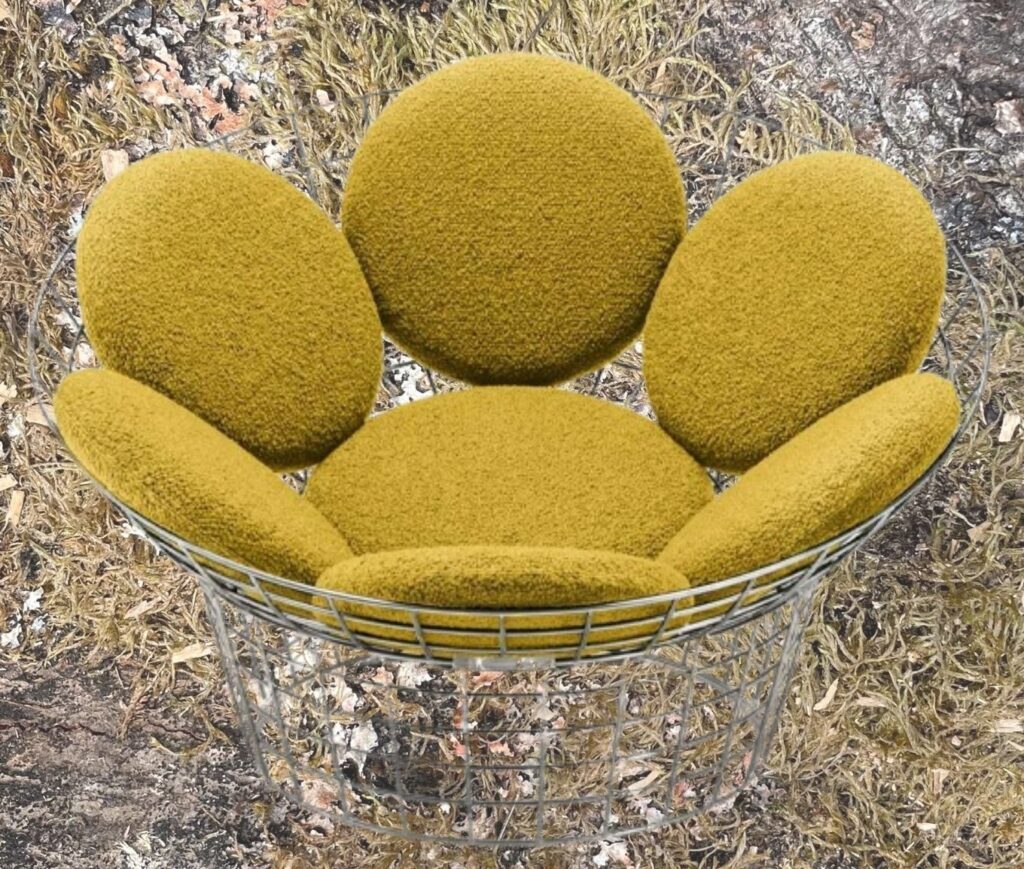
When also in the late 1950s Verner Panton designed his first armchairs, the conventional domestic style of the post-war era came to an end. His furniture was allowed to be colorful, curvaceous, and even a bit wacky.

This is how icons like the Peacock Chair came into being. Its delicate stainless steel structure and bright yellow cushions put you in a good mood. To mark the designer’s 100th birthday, Cassina is putting the design into serial production.

Sophisticated materials

Wood – especially its revival in dark one – and leather, imaginatively crafted, mark this design season when selecting  precious materials. Definitely striking in burnt umber which has emerged as the definite anchor shade for fall/winter 2026, carrying the warmth as well as the sophistication of terracotta. 

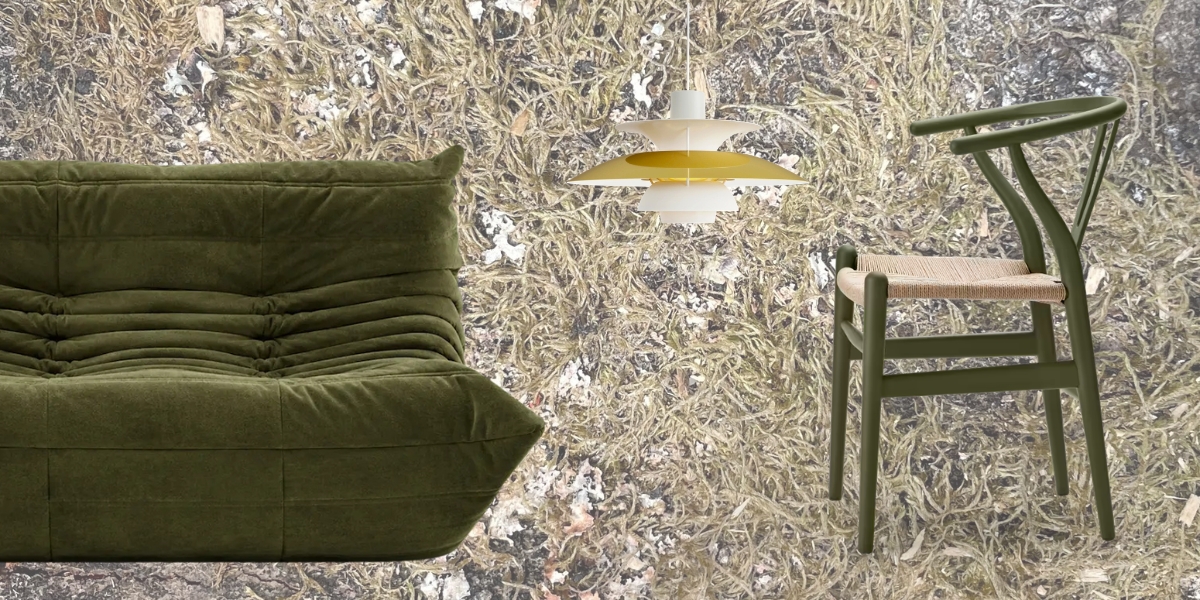
In 1973, Michel Ducaroy created the sofa Togo. The design is also inspired by the Bauhaus device ‘form follows function’, explaining the elemental form of the upholstered furniture, manufactured in one piece.

This stylish sofa was originally designed for the French manufacturer Lignet Roset, which still produces it today. Here it impresses in an elegant leather version.

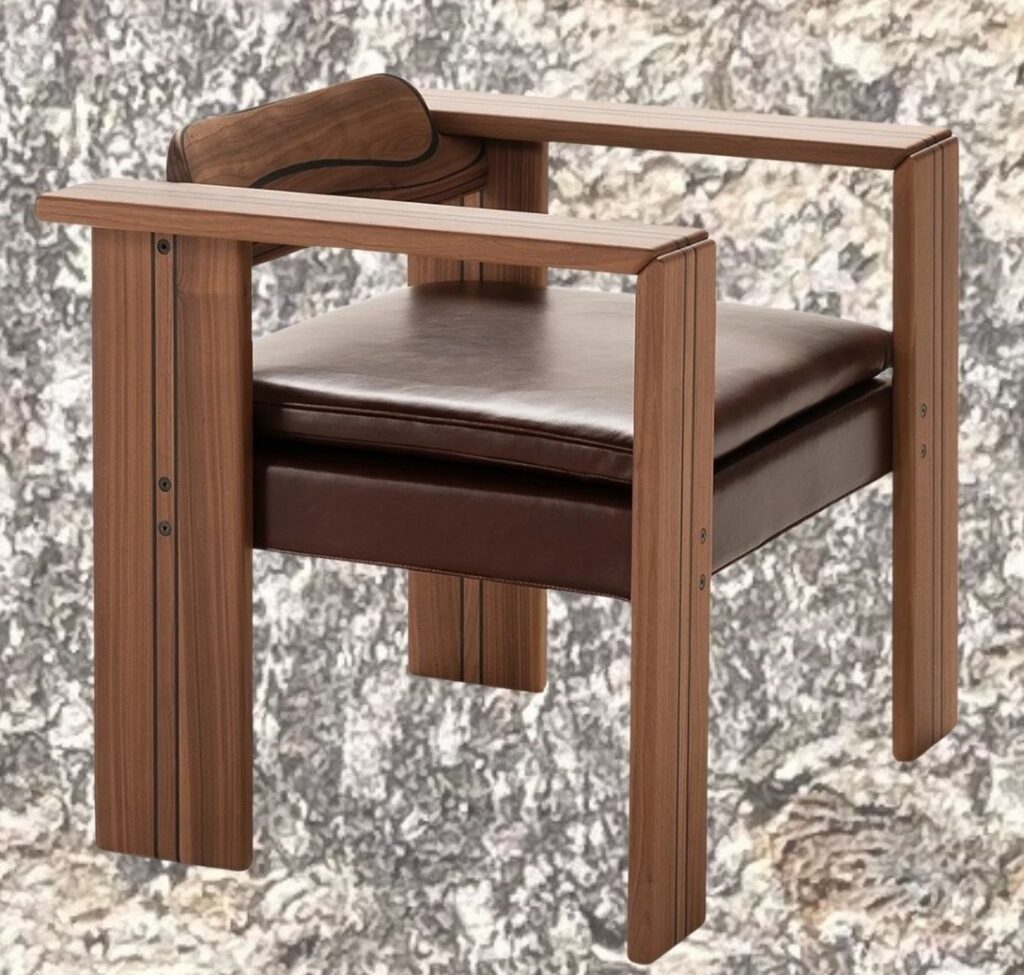
The Italian designer couple Afra and Tobia Scarpa designed furniture through dialogue and made construction an element of their work. The armchair Artona Easy Chair from 1975 demonstrates this impressively: Solid wood side panels support the leather seat and define the distinctive shape. Understated yet strong presence, reliability and endurance might be associated with this piece of furniture. 

Originally developed for Maxalto, the creation is now part of the Tacchini collection.

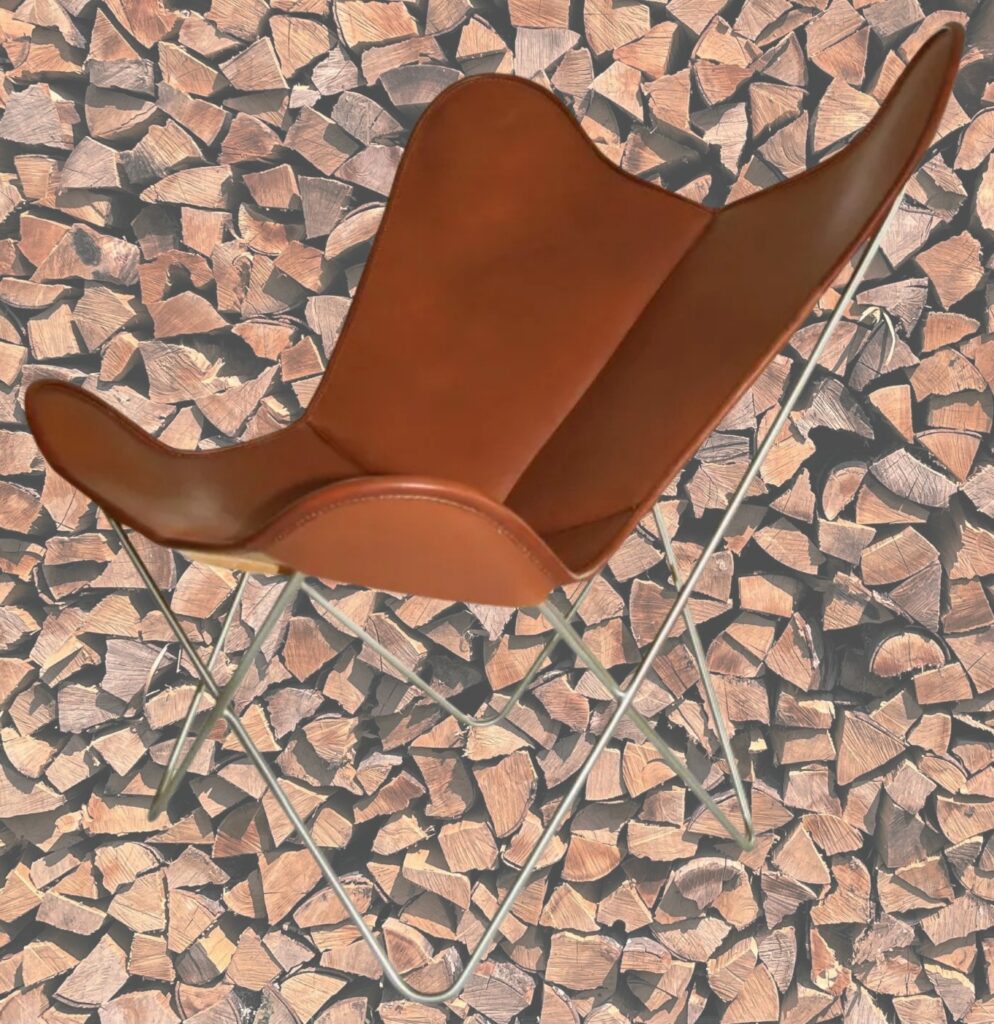
Thanks to its simple yet distinctive design, the Butterfly Chair has involved into a symbol of modernity. Created in 1938 by the architects Antonio Bonet, Juan Kurchan and Jorge Ferrari-Harday in Buenos Aires, the chair can be admired in the permanent exhibition of the Museum of Modern Arts. Reminiscent of butterfly’s wings, it embodies an appealing aesthetic, its steel frame and generous leather seat offering high comfort.

In 1947, Knoll received its manufacturing license. Although production ceased after three years, the icon remained a source of inspiration for designers and a coveted piece for collectors.

High-trend shades

The autumn 2026 color story writes more saturated shade palettes than in the recent ones. Among them: burgundy, convincing with sophisticated depth, and forest green, connecting interiors with nature.

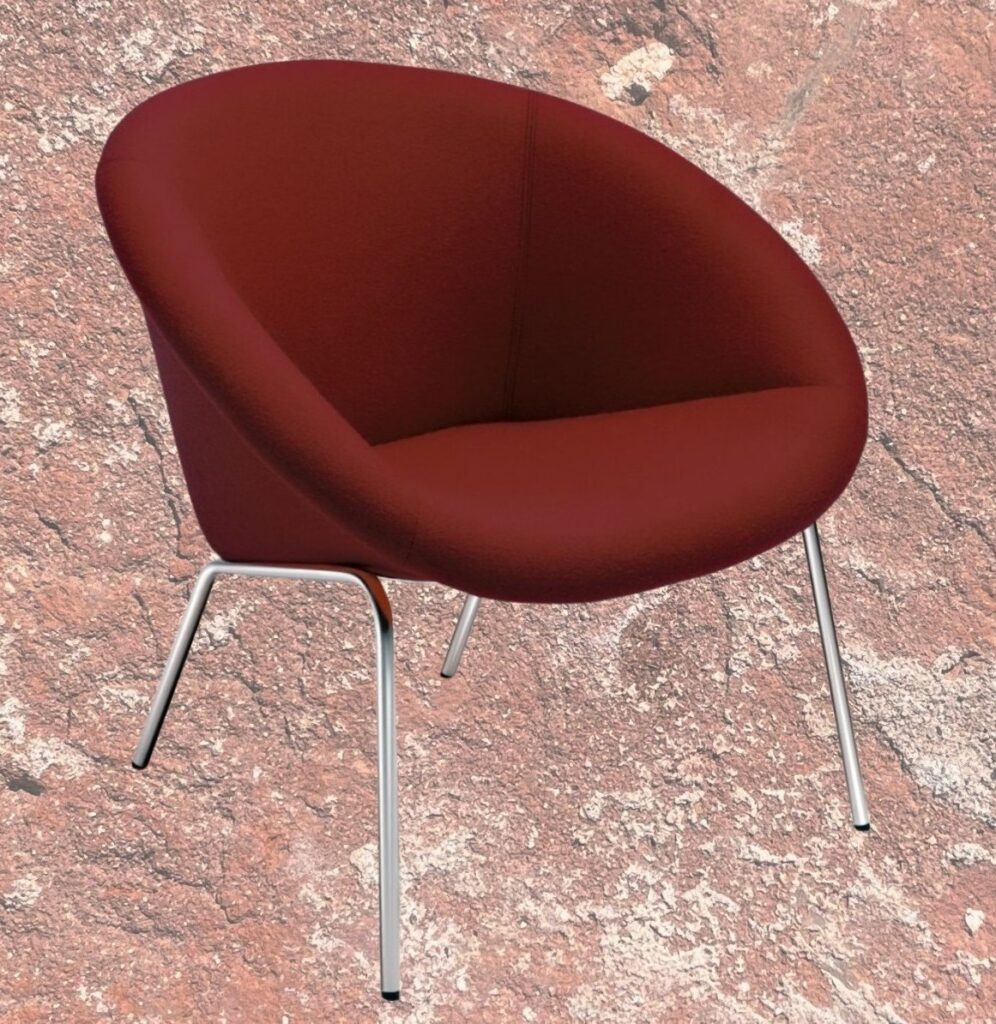
The small shell chair 369 Armchair, designed by Walter Knoll in 1956, was even a furniture piece intended to put an end to the classic interior style still dominant in Germany in the early 1950s, by introducing new materials and flowing lines. From its production, Knoll benefited from the further development of plastics as well as seat upholstery.

The iconic armchair enjoys great popularity until today. For a harmonious autumnal color scheme, I prefer its version in a beautiful burgundy.

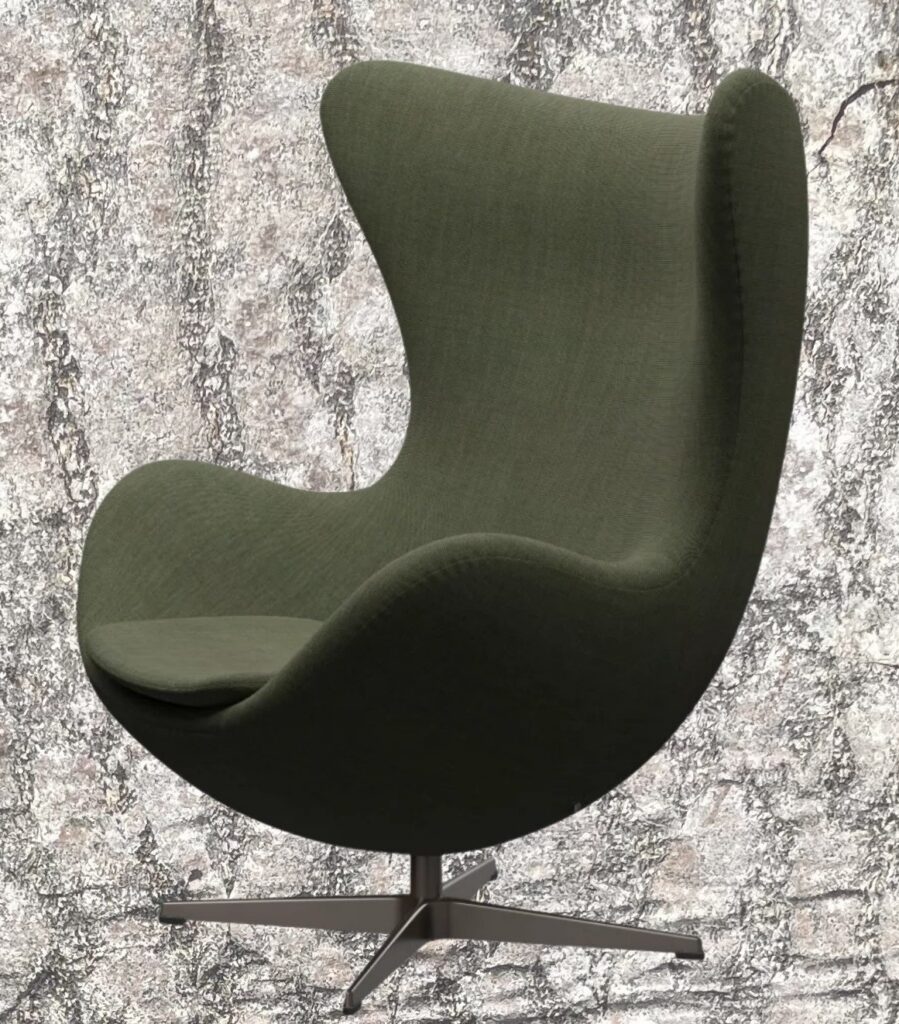
Even Arne Jacobsen’s Egg Chair – named for its inviting, oval shape that resembles an egg – is to be considered a design classic. It originated as part of a larger project in which Jacobsen conceived the interior of a Copenhagen hotel.

For the perfect form, the creative experimented with wire and plaster in his garage. Still produced by Fritz Hansen, this season ‘Ægget’ impresses us in a sophisticated forest green.

Dining in style

In fall/winter 2026, the design of dining spaces embrace the ‘coffee table style’, best highlighted by one or the other iconic chair element.

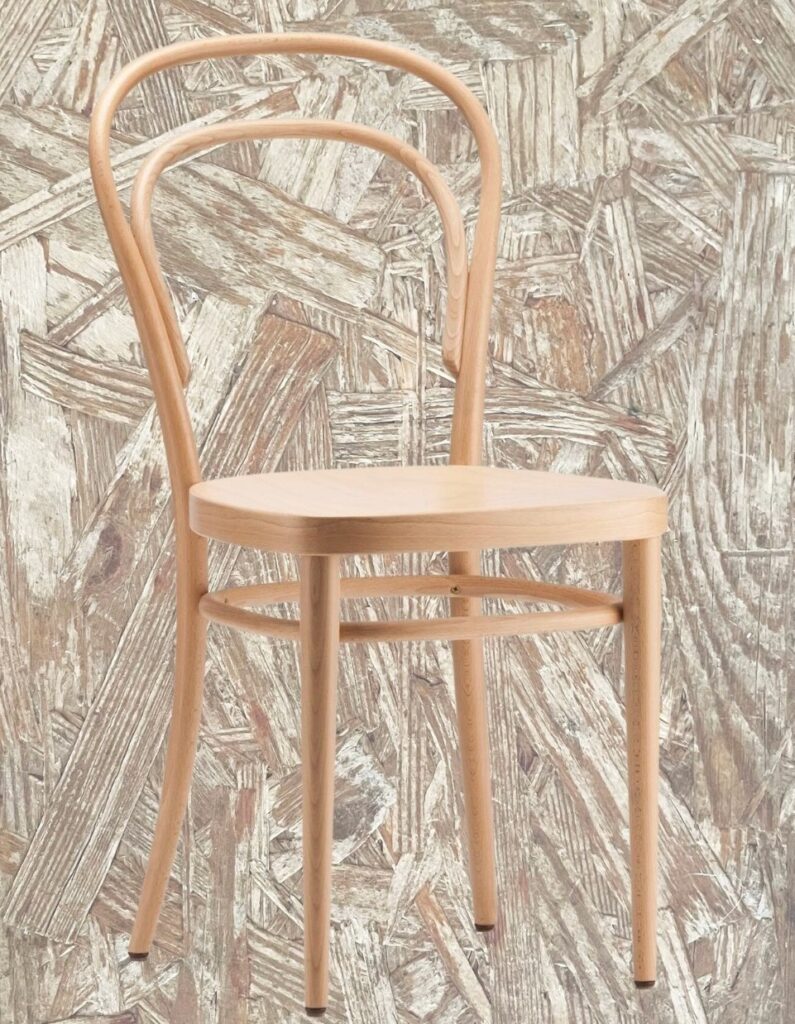
The famous coffee house chair Thonet Nr. 14 is reckoned as the most well-known and best-selling piece in the history of interior design. The simple yet elegant piece of seating is also a welcome addition to private dining rooms.

With the design of his great classic, Michael Thonet perfected the pending of solid wood in the 1850s: The individual elements of the bistro chair are maid of beech, some of which are masterfully steam-bent. In doing so, he led the foundation for its serial production. And developed the groundbreaking idea of breaking down his chairs in just six parts and shipping them in space-saving boxes. 

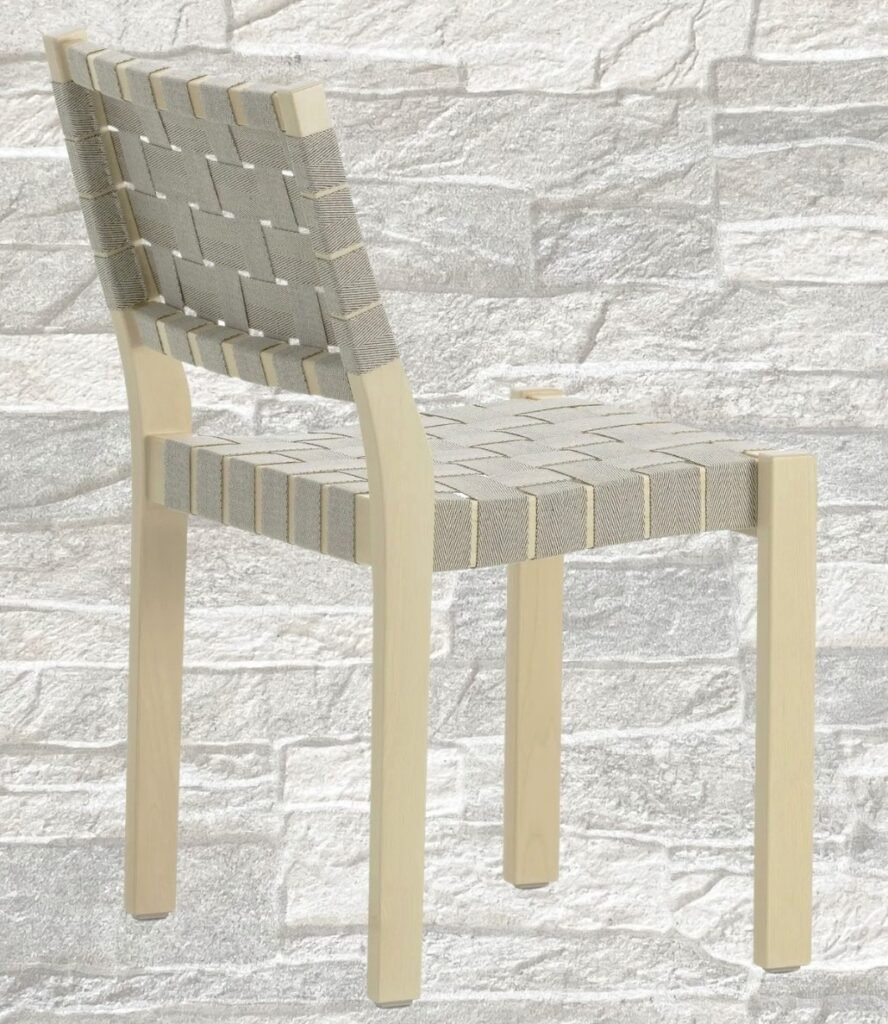
Characteristic feature of the Chair 611, designed by the Finnish architect Alvar Aalto, is its intricately woven linen webbing, which reminds of traditional weaving techniques and which lend it a unique aesthetic. It also distinguishes by its sustainability: The straps can be rewrapped if necessary, extending the chair’s lifespan and reducing its ecological footprint.

The furniture ist still produced by the Finnish manufacturer Artek. Made from birch wood, the two-tone straps are available in a variety of weave colors; the woven fabric conforms to the sitter, thus offering exceptional convenience. 

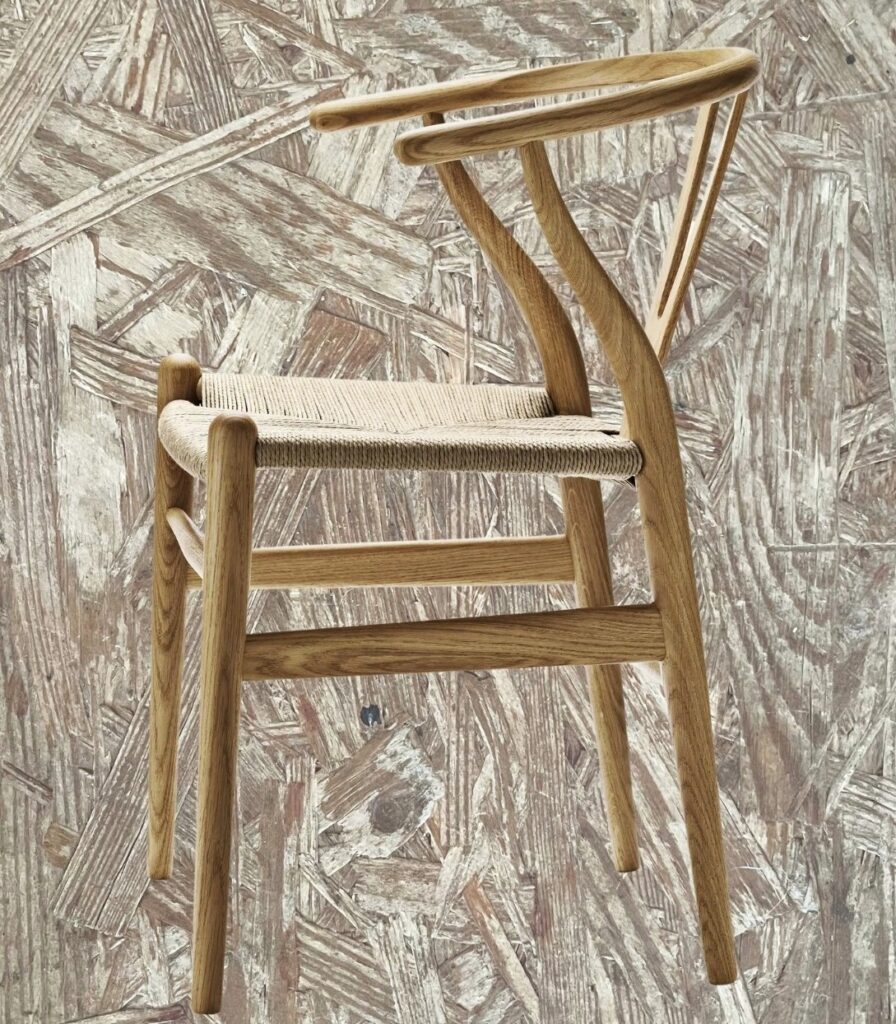
The CH24 Wishbone Chair is the most famous creation of the Danish designer Hans J. Wegner. Characterized by the Y-shape of the backrest, modeled on the human sternum, he sought to harmonize aesthetics and functionality. The armrest and the backrest should ensure maximum stability while offering a high level of seating comfort, therefore combined into a single piece.

Its production involves over 100 steps, most of them carried out by hand. For instance, the seat is handcrafted from a 120-meter-long paper cord. The iconic chair is manufactured by the Danish furniture brand Carl Hansen & Søn.

Tastefully lit

Atmospheric lighting – often an underappreciated design theme – this season is key to perfectly capture the look of a room. To me, lamps in deep gold or with details in it provide the desired warm luminosity. Deep gold thus bridges the different interior elements, adding cohesion and subtle radiance 

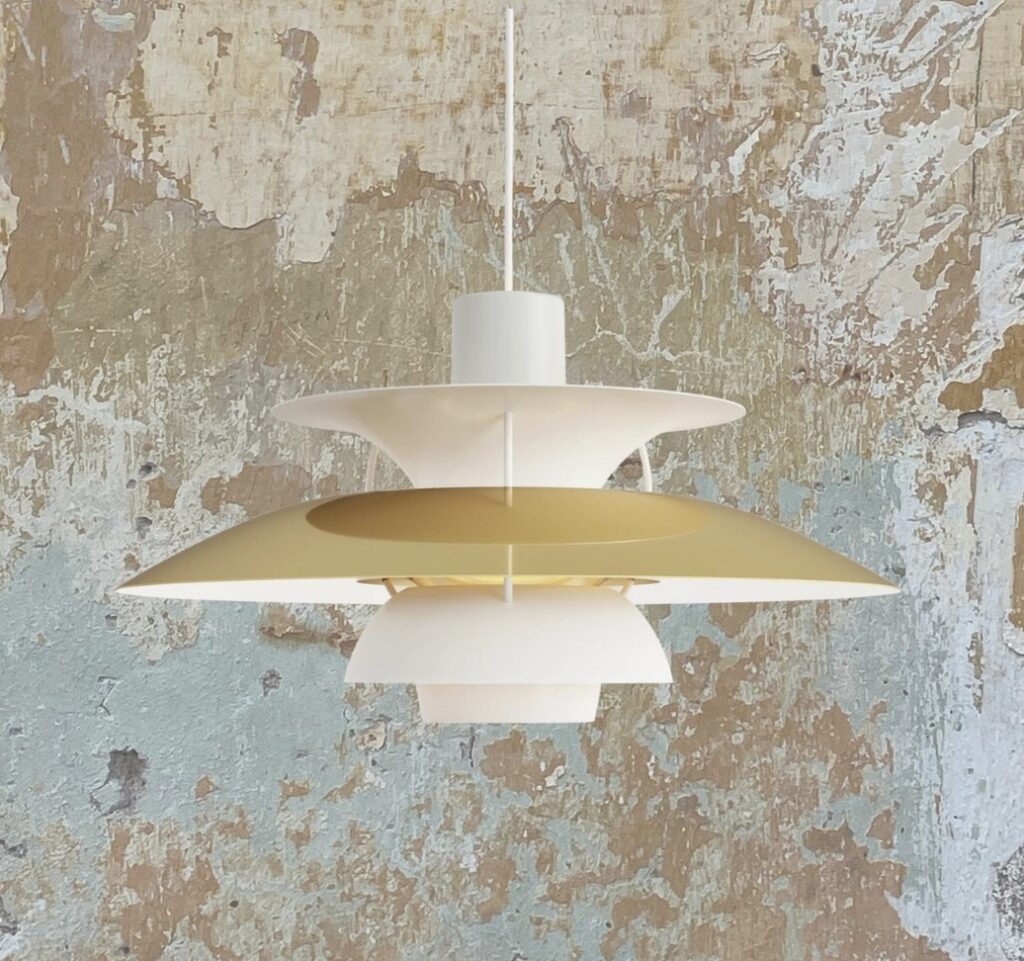
For a few years now, it has once again been hanging more frequently – and preferably – above kitchen tables: the PH5 pending lamp of the Danish creative Poul Henningson. Although already designed in 1958, this stylish interior element has stood the test of time. 

Timeless, consisting auf five shades, the lamp is produced by the renowned lighting manufacturer Louis Poulsen.

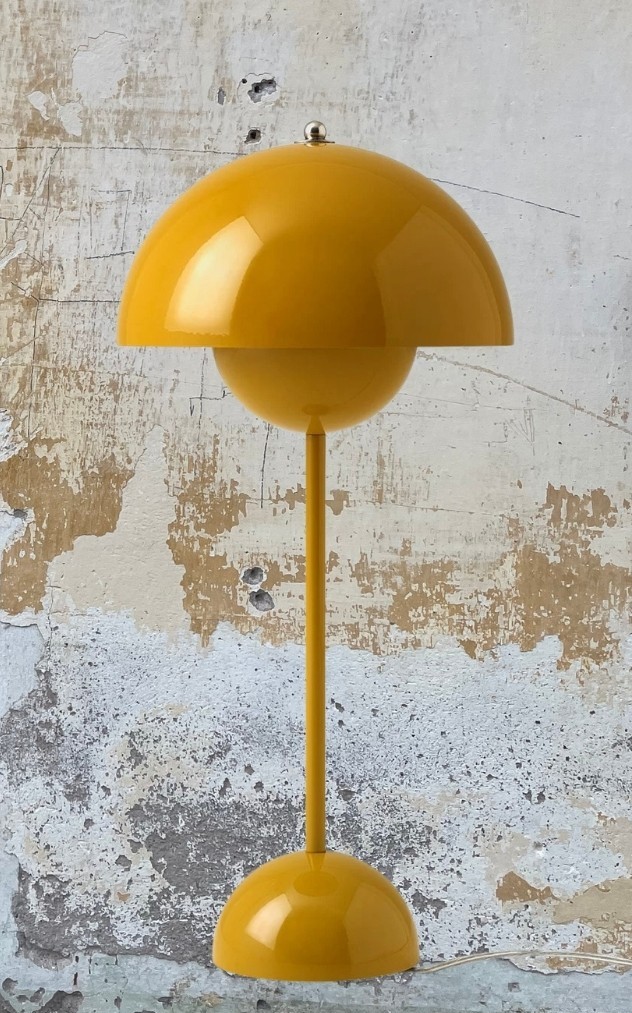
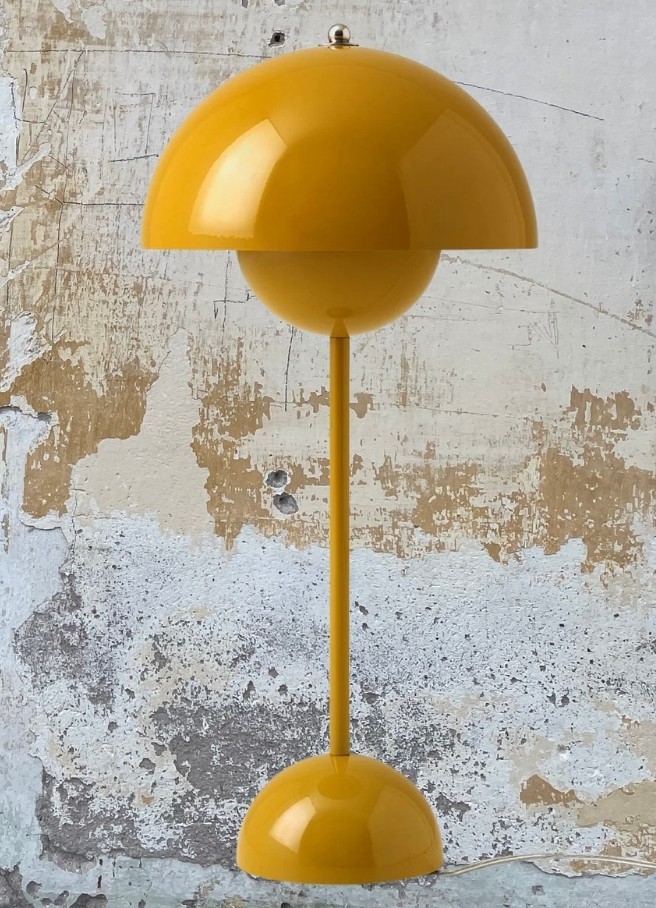
Another interior classic among lamps is the Flowerpot VP3 by the another Danish designer Verner Panton. First designed in 1968, the iconic table piece is known for its distinctive shape: a hemispherical base with conical shields which reminds of plant pots. Today, the series, manufactured by &tradition, comprises models ranging from pendant to wall lights.

By experiencing all these inspiring furniture icons – what wonderful prospects we have to welcome the interior design autumn!

Another design classic among lamps is the Flowerpot VP3 by the Danish designer Verner Panton. First designed in 1968, the iconic table piece is known for its distinctive shape: a hemispherical base with conical shields which reminds of plant pots. Today, the series, manufactured by &tradition, comprises models ranging from pendant to wall lights.

By experiencing all these inspiring furniture icons – what wonderful prospects we have to welcome the interior design autumn!

Published September 7, 2026

You may also like

Previous Article

Next Article

Previous Article

Next Article