

The Other Rome

Traveling, and the opportunity of, has become an indispensable part of my lifestyle. To meet new places and their beauty, rediscover familiar ones or experience them through a new perspective – a truly special personal enrichment. As happened with my further trip to Rome this July, to Italy’s capital of class, culture and nobleness.

A morning walk

What for many Italians is the tradition of an evening stroll, the so-called ‘passeggiata’, means to me a walk in the early morning hours: the best time of day to feel and enjoy the atmosphere of a place. Before the bustle of everyday life begins. This applies also and especially to a city like Rome. 

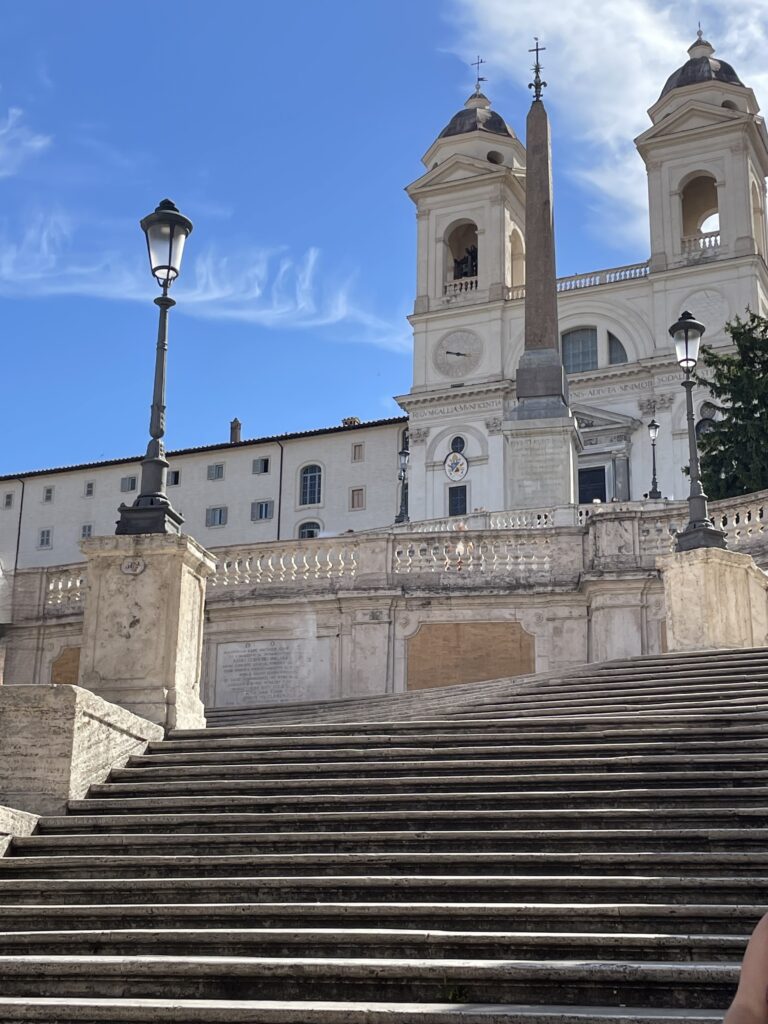
My first walk in these days took me down the Spanish Steps to the Piazza di Spagnia. The elegant staircase, constructed in the Rococo style, is still one of Rome’s most popular attractions. It was built according to a design of the architect Francesco de Sanctis with which he won a competition announced by Pope Clement XI.

Over the years, the area at the foot of it became a luxury shopping zone. For a certain period it served as a spectacular open-air stage for the final gala of Rome’s AltaRoma, formerly often named Alta Moda, where, in the month of July, top international designers presented high-profile haute couture shows.This event gave way to heritage preservation.

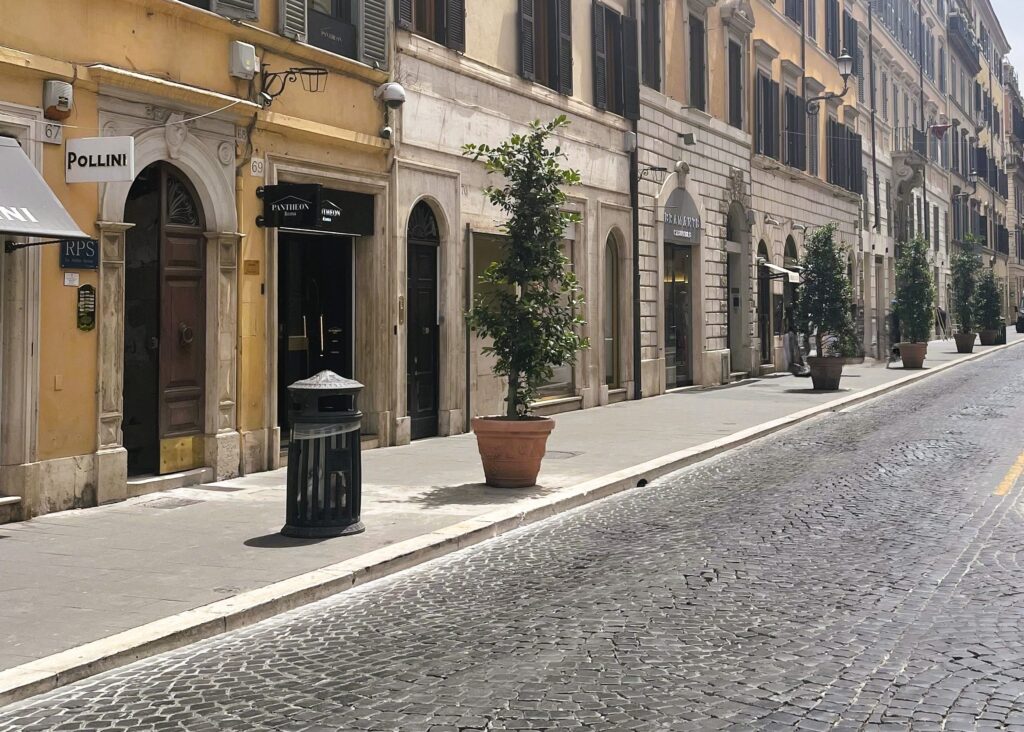
From there, the path continues through the streets and alleys of the charming Old Town district, which was laid out in the 16th century.

Always worth: a look upwards to take in the architecture in its entirety.

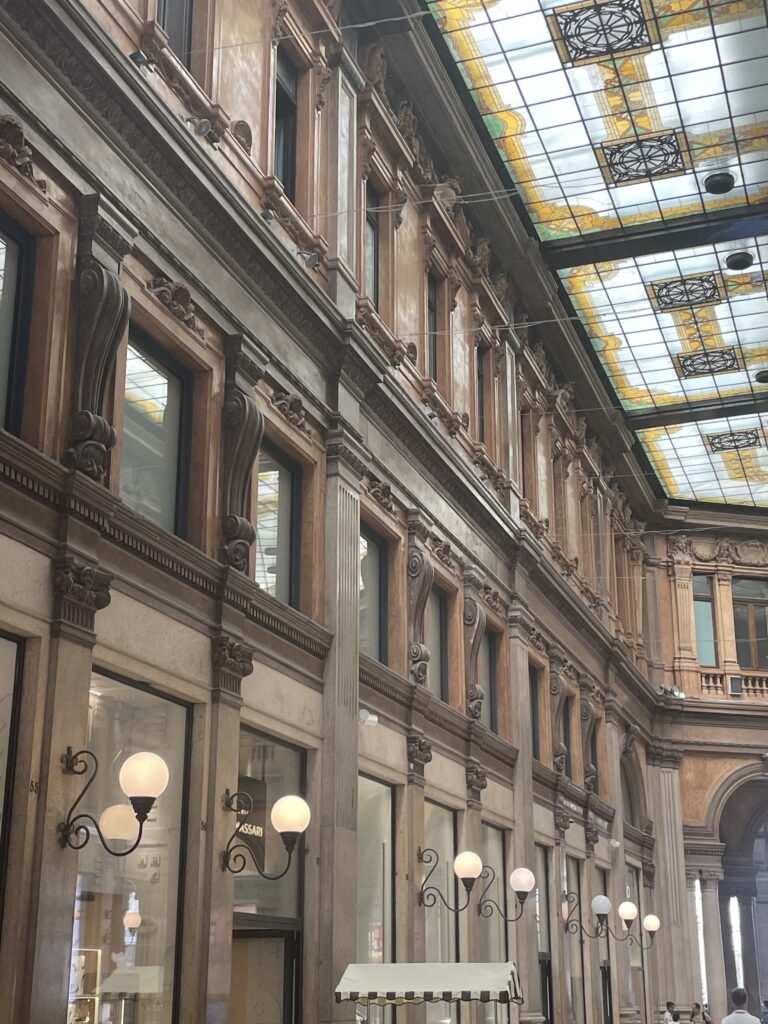
And even the one or the other shopping arcade impresses with its ambiance. As does the historic Galleria Alberto Sordi because of its stunning stained-glass ceiling in the Art Nouveau style. 

A lovely way to start the day with a cup of coffee in one of its bars and restaurants ..

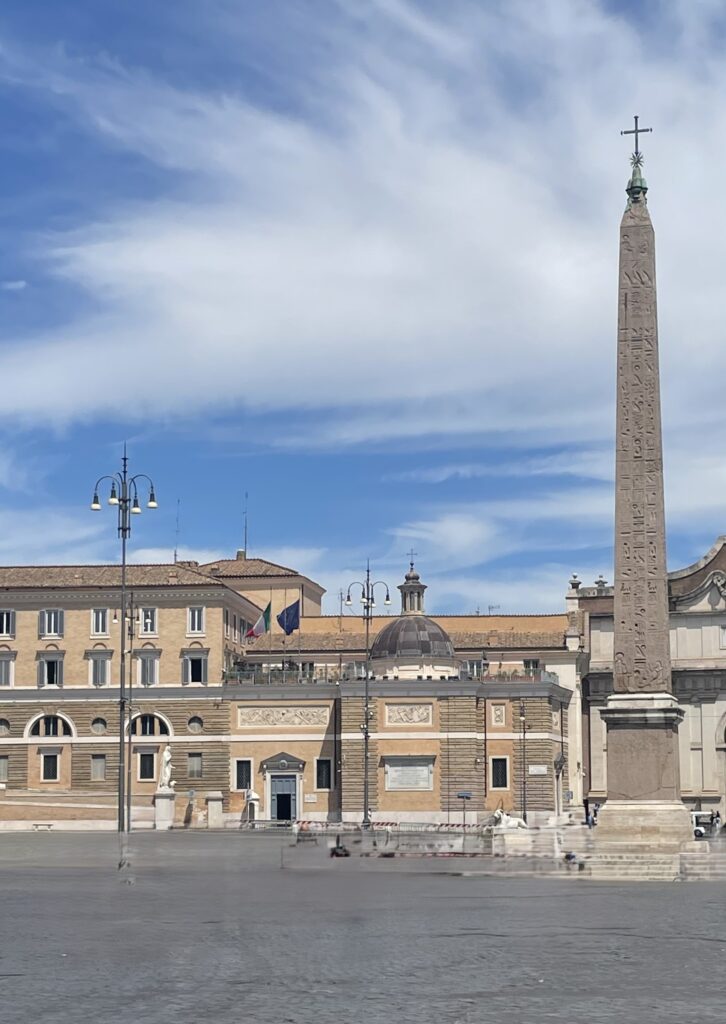
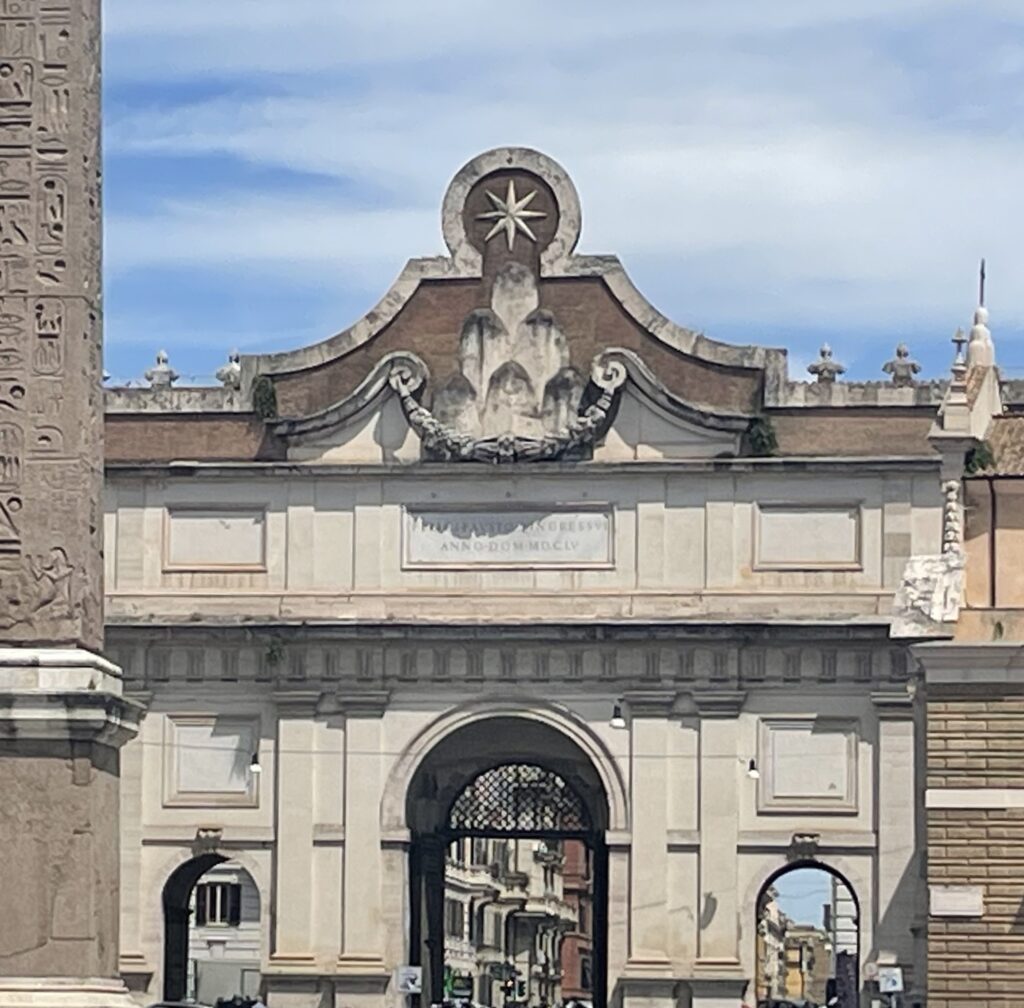
Along the Via del Corso, the walk ends in the Piazza Del Popolo. Builder Giuseppe Valadir transformed the former site of public executions into an elegant square. The obelisk in its center once adorned the Circus Maximus.

Villa Borghese

A very special experience during this stay in Rome was my first-ever visit to the Borghese Park. 

It was in the year 1608 that Cardinal Scipione Borghese transformed his sprawling family estate outside the city wall into a private park. Since 1901 the site has been open to the public – a scenic oasis of beauty and tranquility in the heart of the Italian capital.

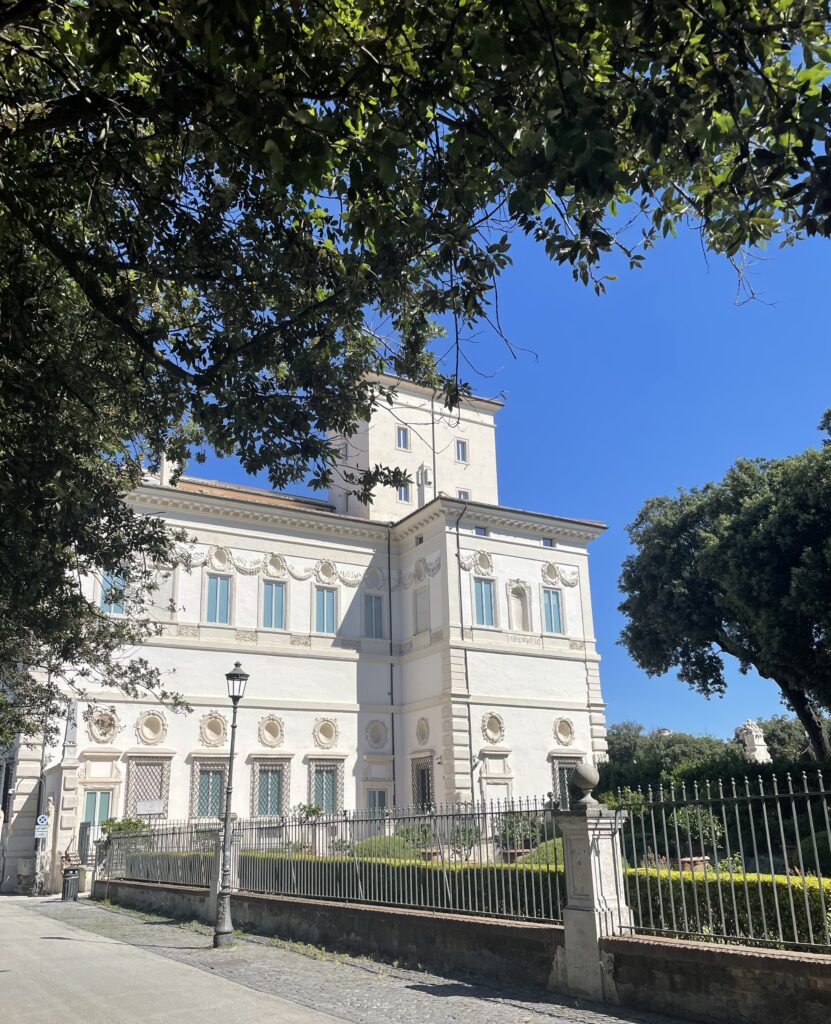
Right at the main entrance there is Galleria Borghese. In the museum, aculptures by Bernini and paintings by Caravaggio are displayed alongside works from the Classical, Renaissance and Neoclassical periods. Scipione Borghese himself used the building as a venue for the exquisite collection of ancient art treasures he had received from his uncle, Pope Paul V,

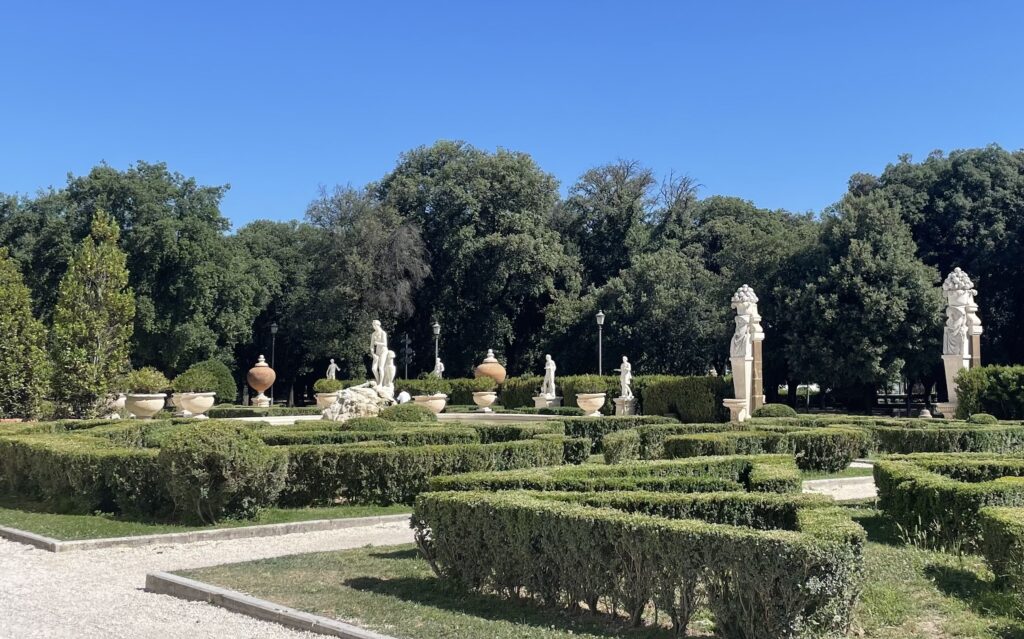
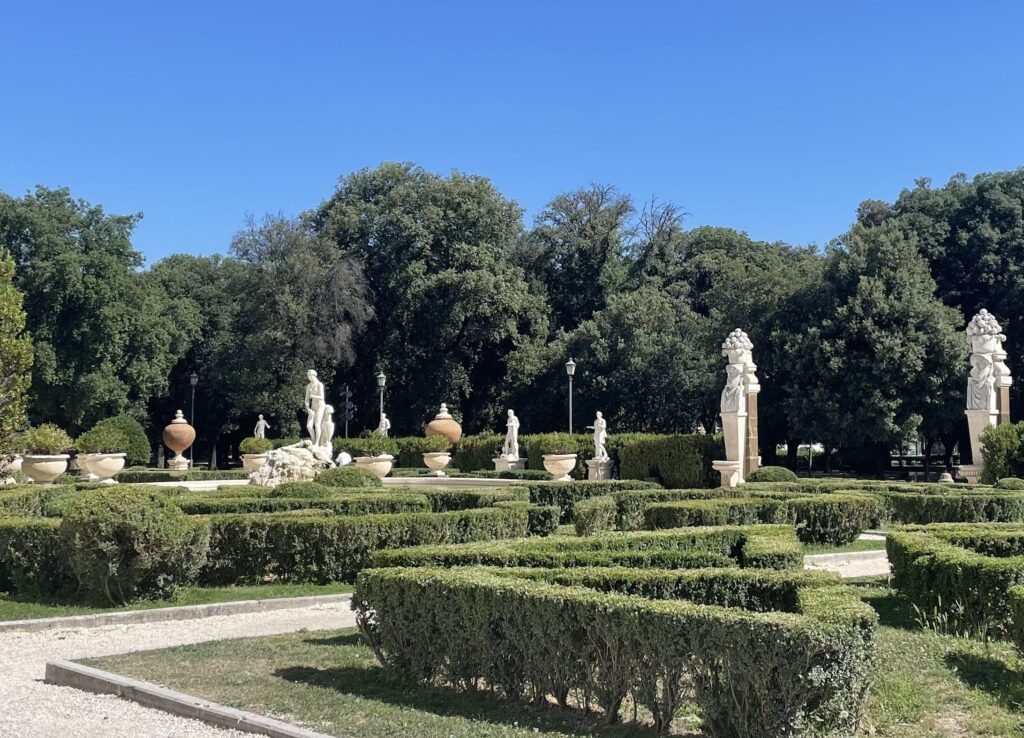
The only landscaped garden is located at the back of the building, artfully designed.

The only landscaped garden is located at the back of the building, artfully designed.

And right away from the gallery are numerous paths leading into and through the spacious park that resembles a naturally grown forest – which asks out to linger.

The idyllic grounds repeatedly reveal views of fascinating clearings that attract the visitor.

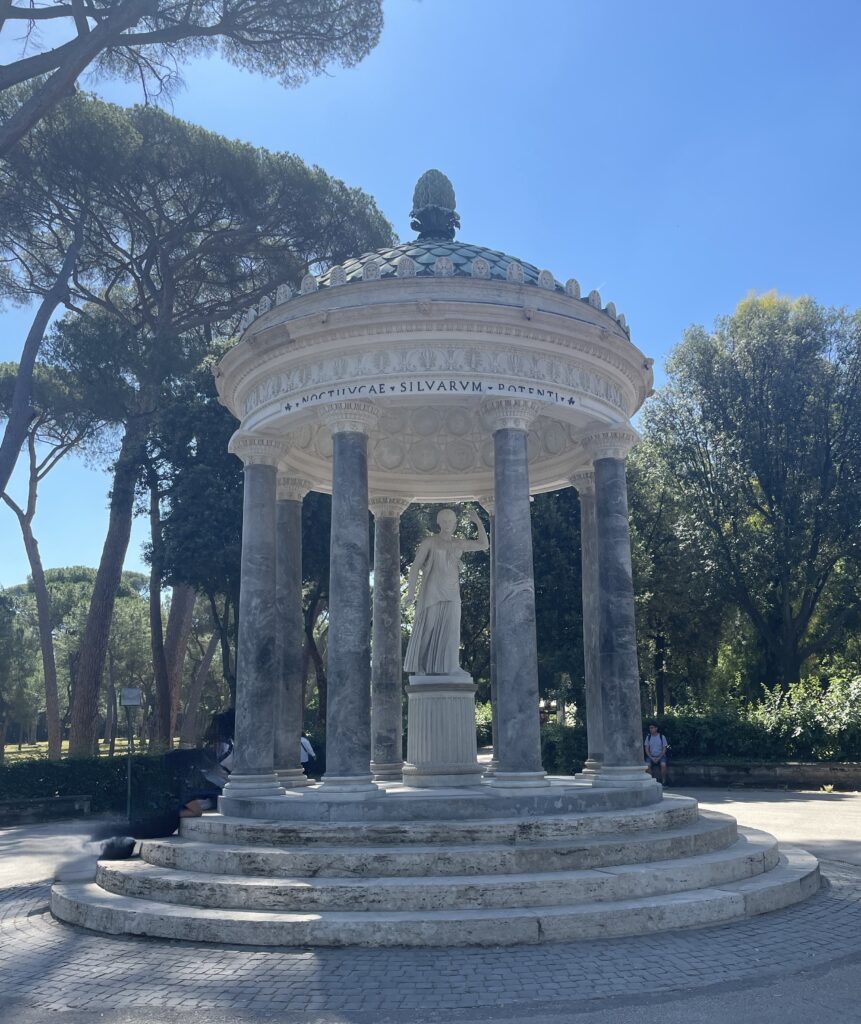
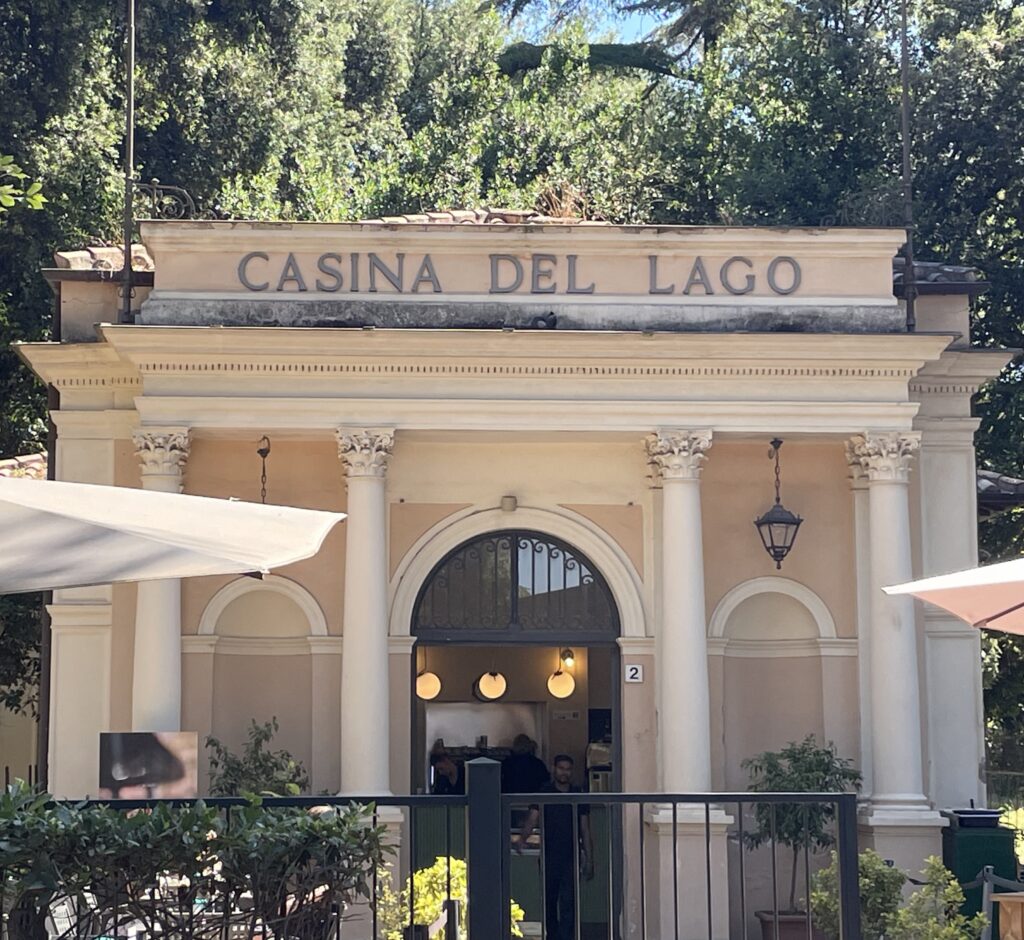
Because these are enriched by noble stone pavilions, housing beautiful sculptures ..

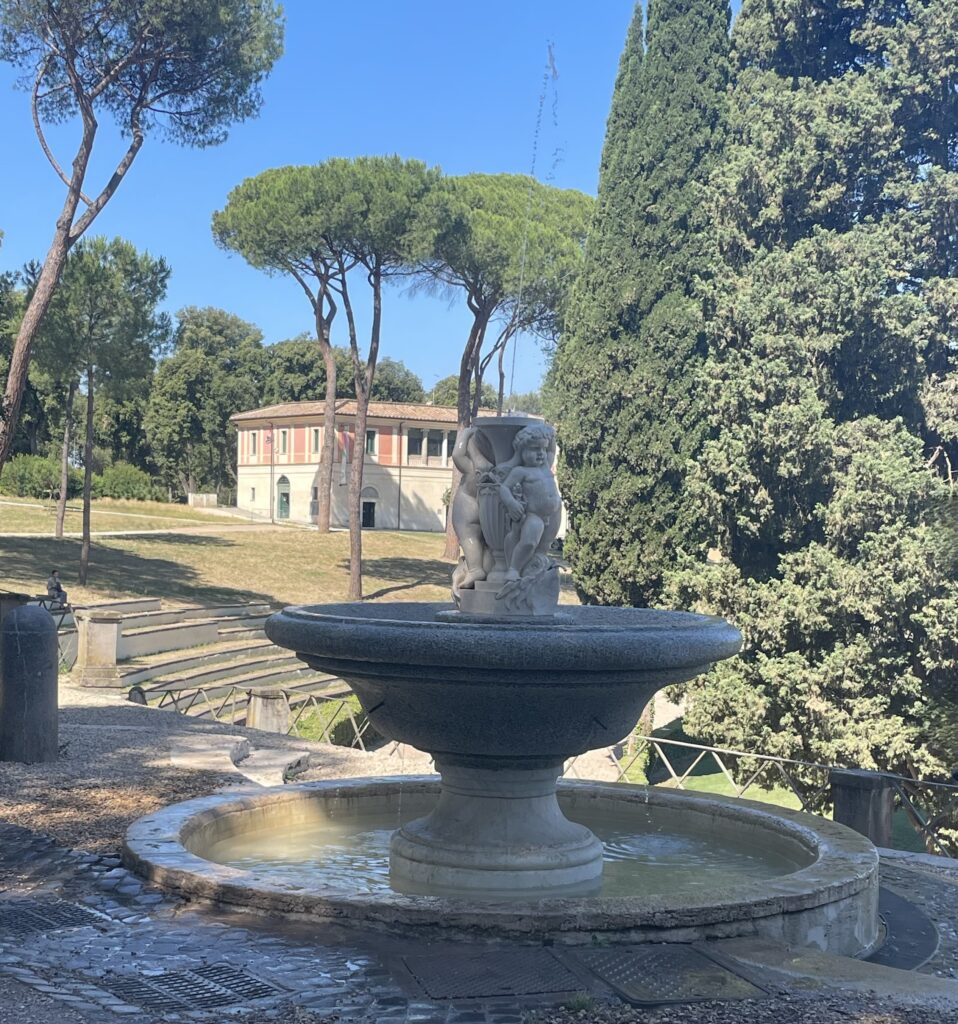
.. richly ornamented fountains .. 

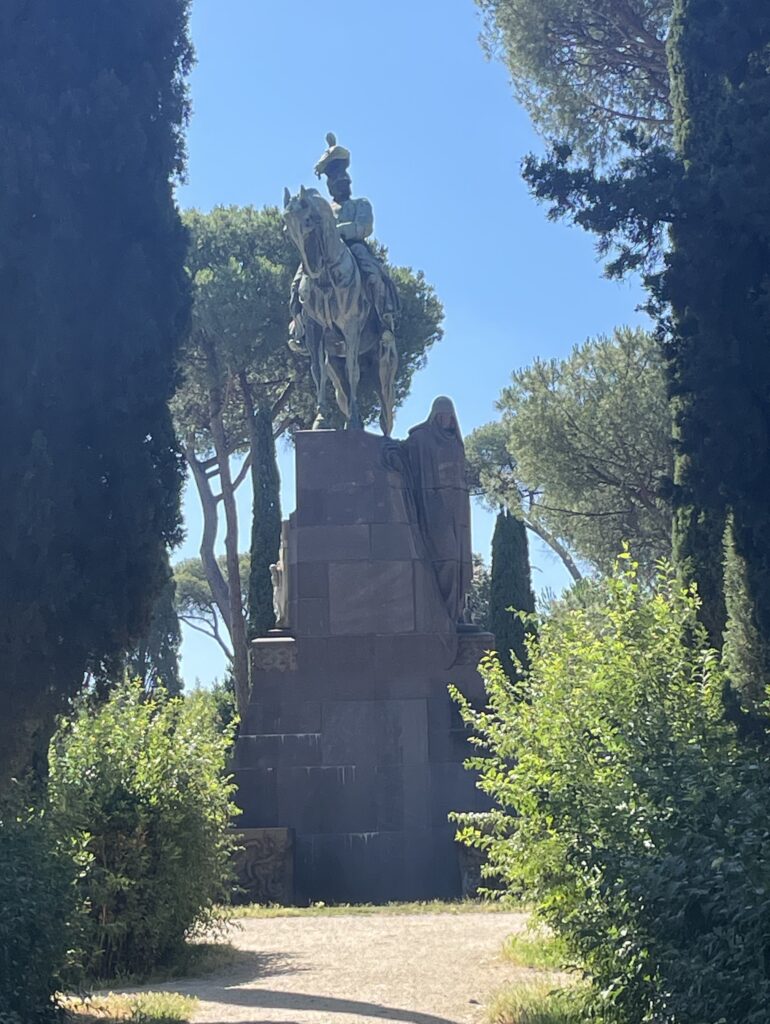
.. and imposing monuments and statues.

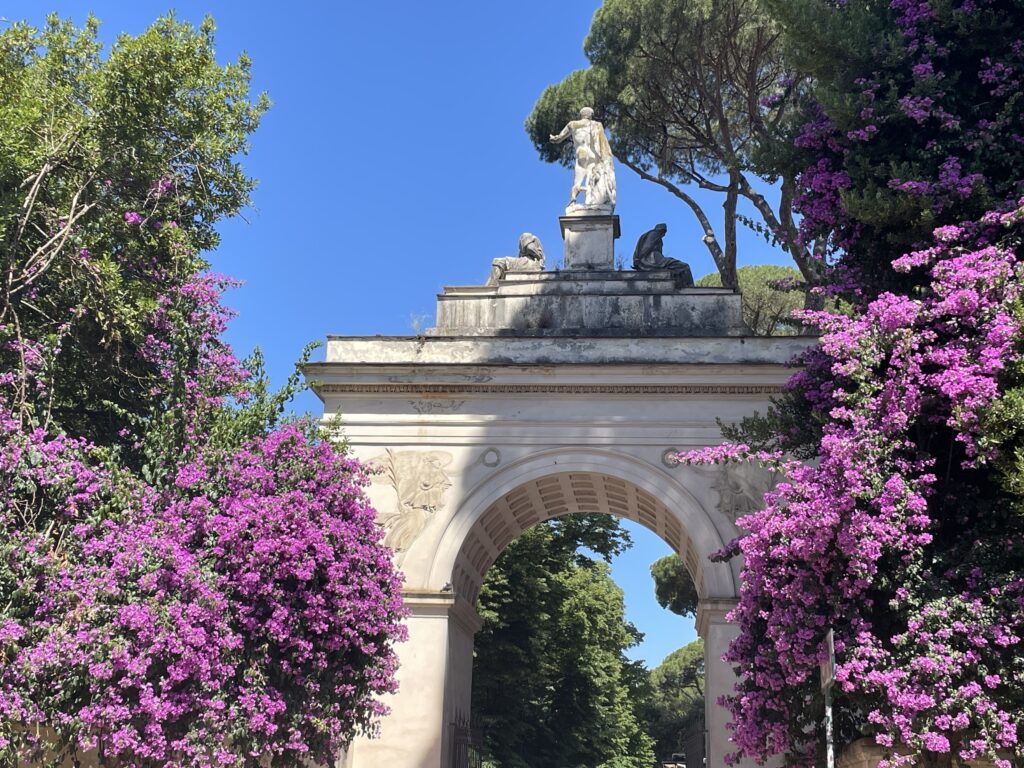
Again and again, stone archs and flower-filled bushes adorn the indiviual paths .. 

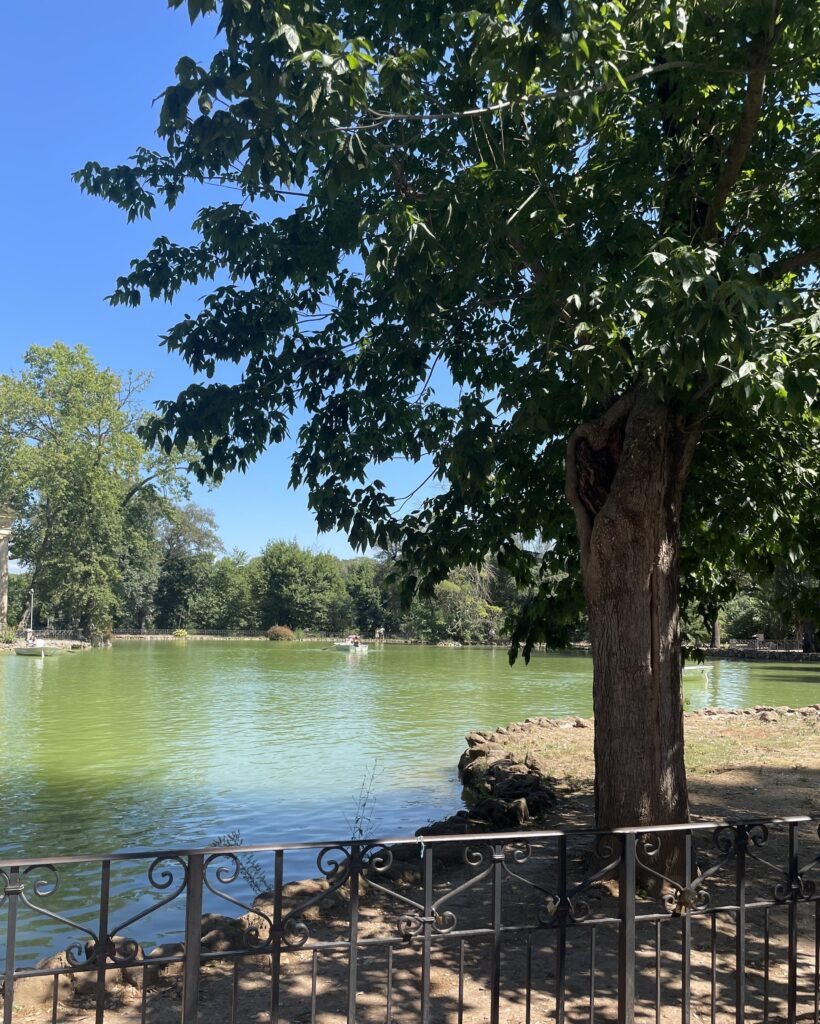
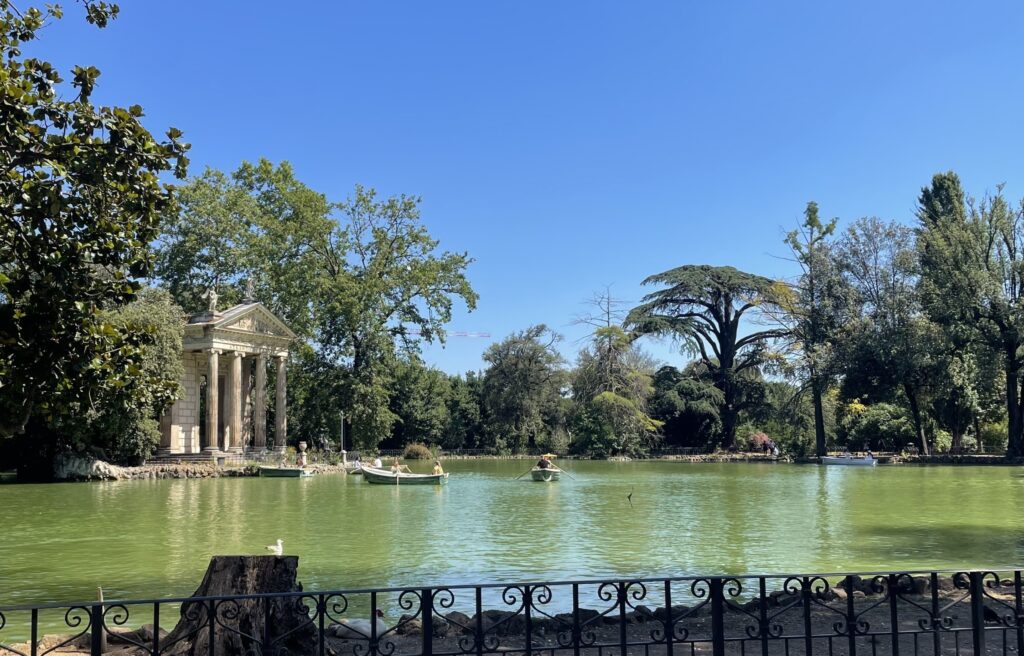
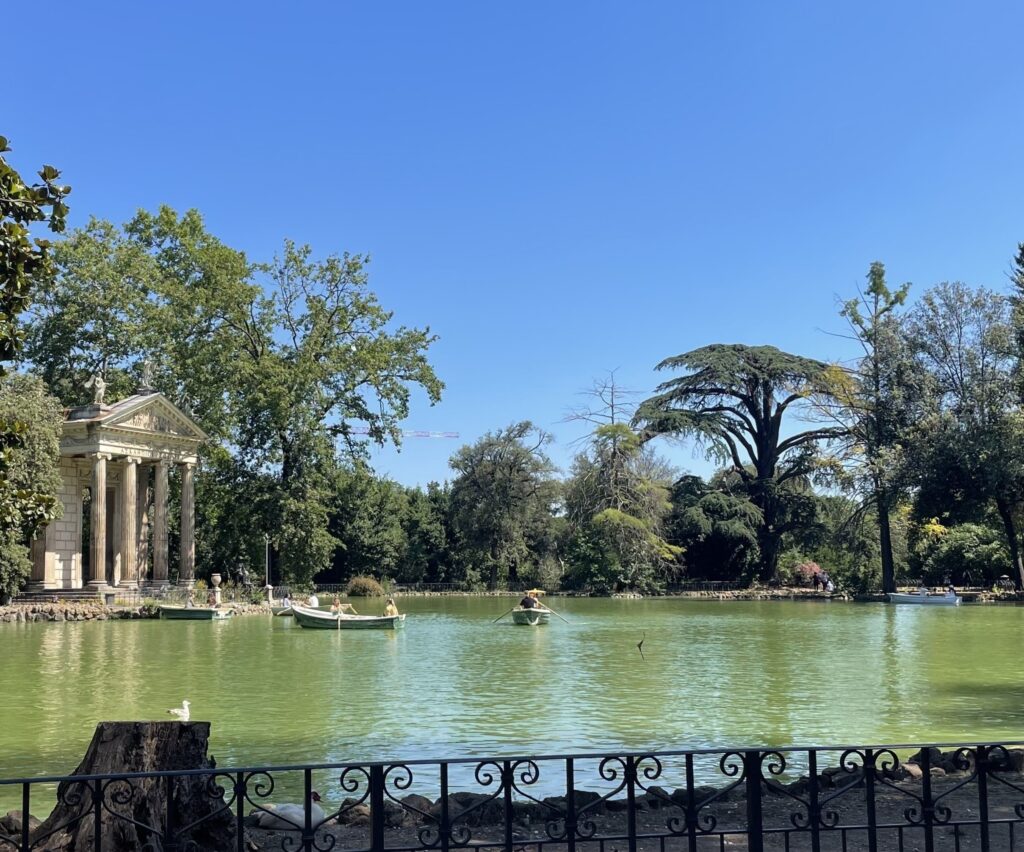
.. right up to the magnificient highlight of the property:  a graceful little sea whose green waters invite you for a boat ride.

Fountains and squares

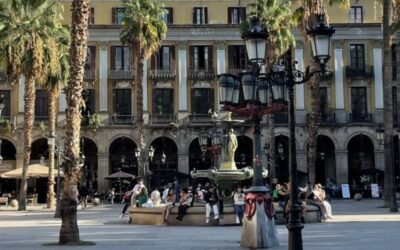
One of Rome’s most characteristic symbioses is that of its impressing squares and beautiful fountains. They shape its cityscape and lend it its distinctive flair.

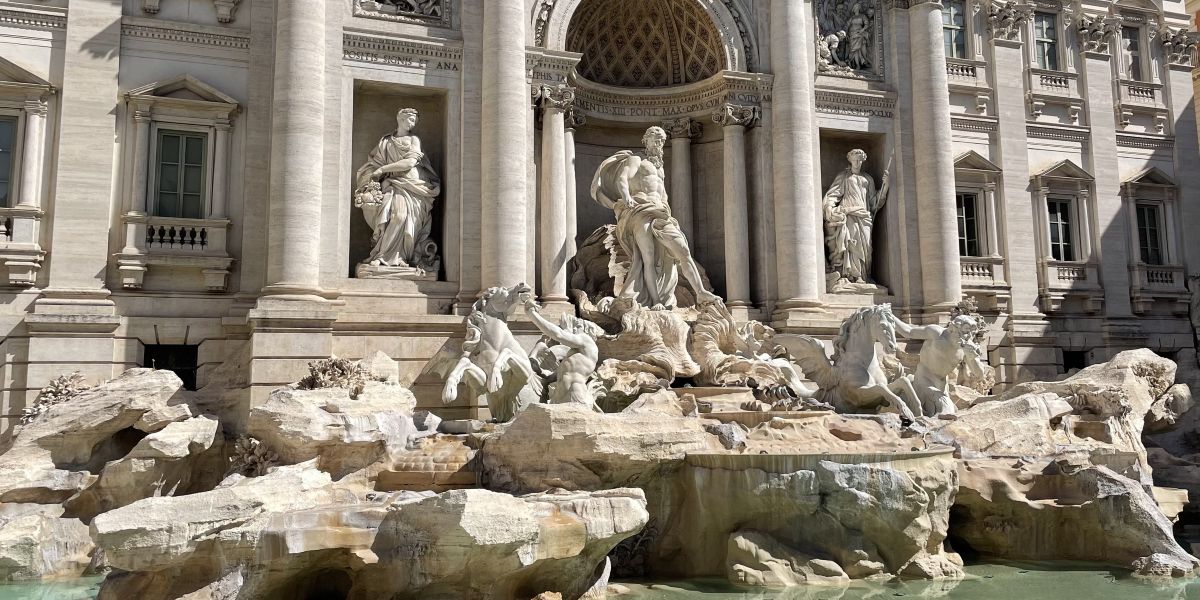
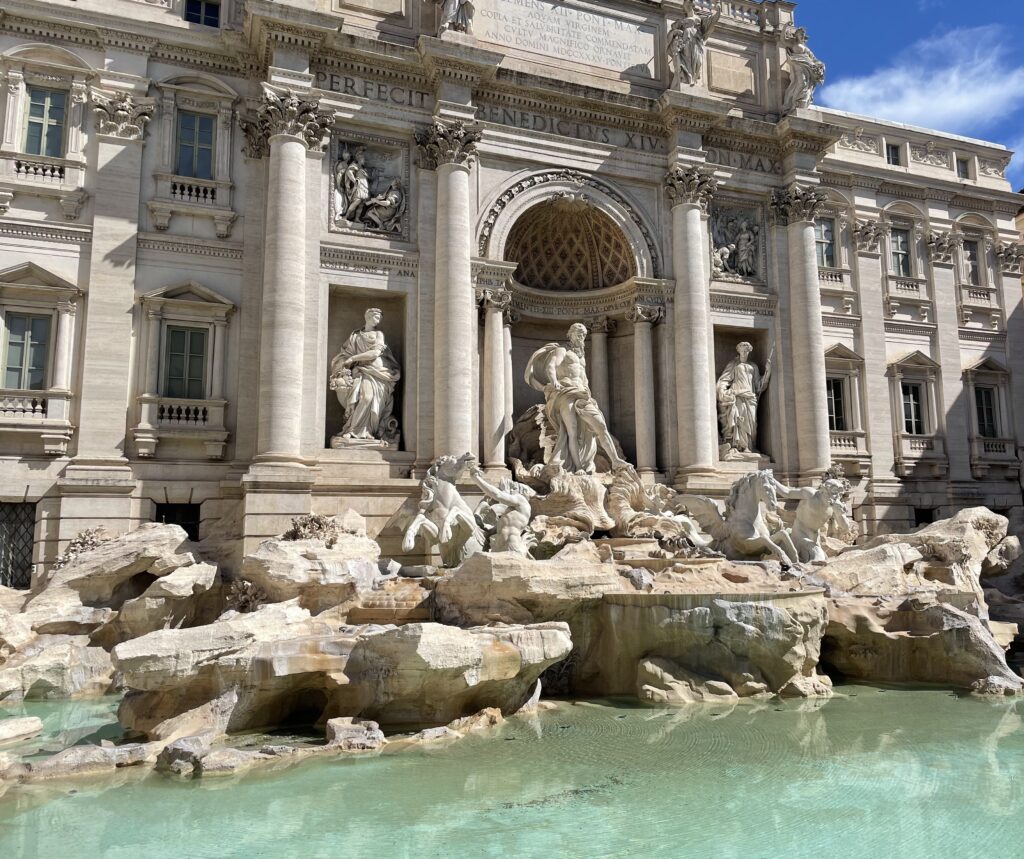
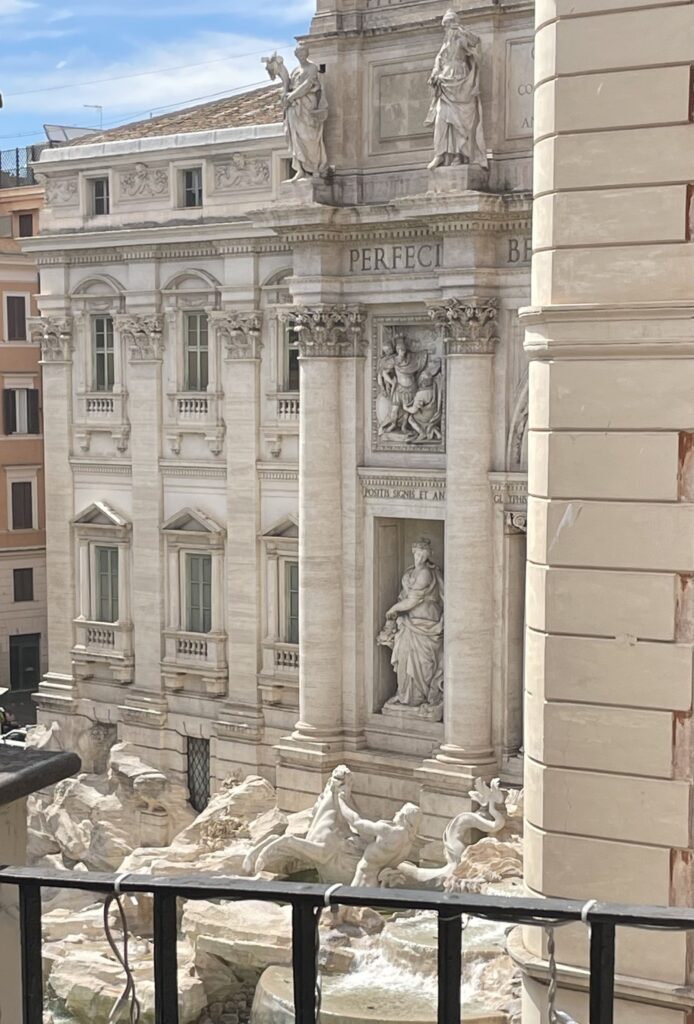
Arguably, the city’s most famous fountain is Fontana di Trevi – not least because several film-classics made it world-renowned: Anita Ekberg and Marcello Mastroianni who took a bath in this fountain in the film La Dolce Vita (1960); furthermore it played a role in Three Coins in a Fountain (1954) and A Heart and a Crown (1953).

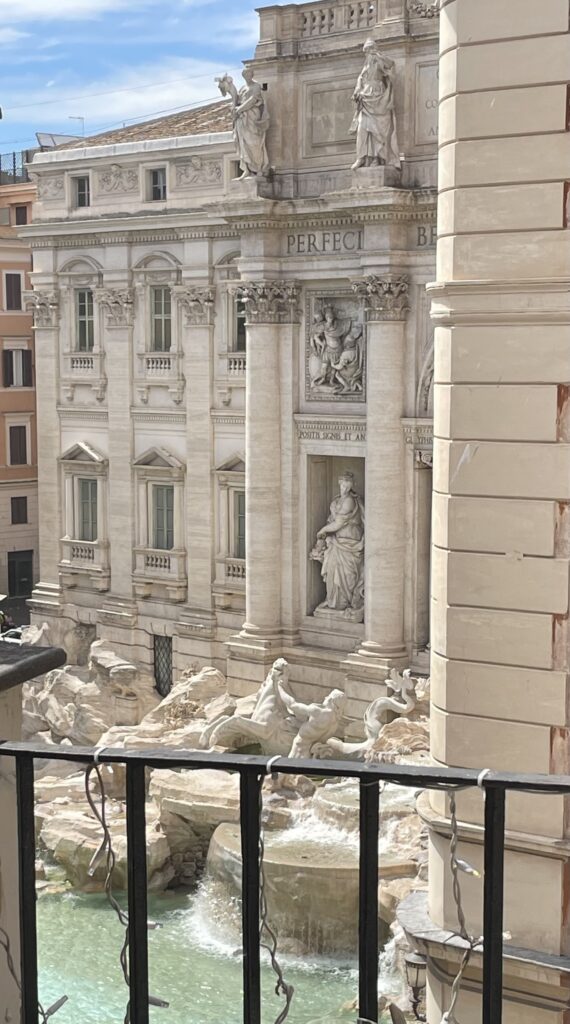
Designed by Nicola Salvi in 1732, it adorns the rear of an elegant palace. As a reference to antiquity, Salvi equipped the fountain with a triumphal arc. Impressive reliefs depict a virgin pointing to the site of the spring she detected, and Agrippa ordering the construction of an aqueduct. This time, I even had a great view of the scene from a roof top bar.

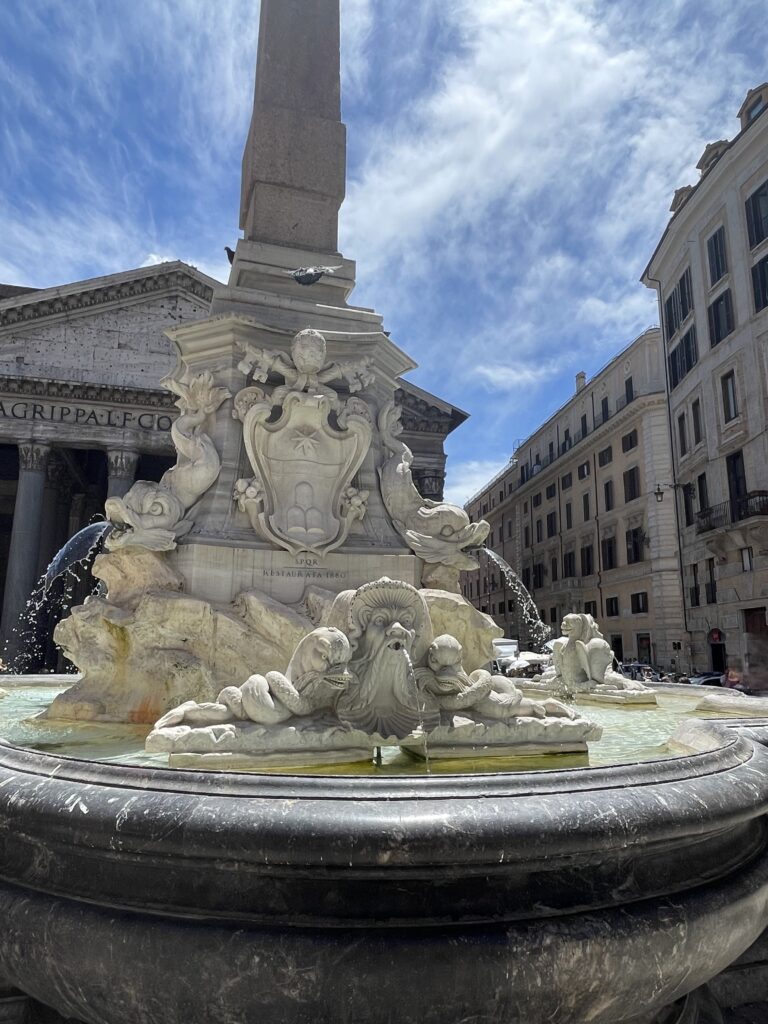
Many a thing one often does not fully perceive in the crowds. This is what happened to me so far with the fountain in the Piazza della Rotonda in front of the Pantheon. Built by Emperor Hadrian in 118 A.D., the former Roman temple is the best-perceived ancient structure in the city. In the 7th century, the Pantheon became a church.

The imposing fountain’s shape was designed by Giacomo della Porta, and in 1575 Leonardo Sormani created the sculptures. The obelisk of Ramses II was added in 1711.

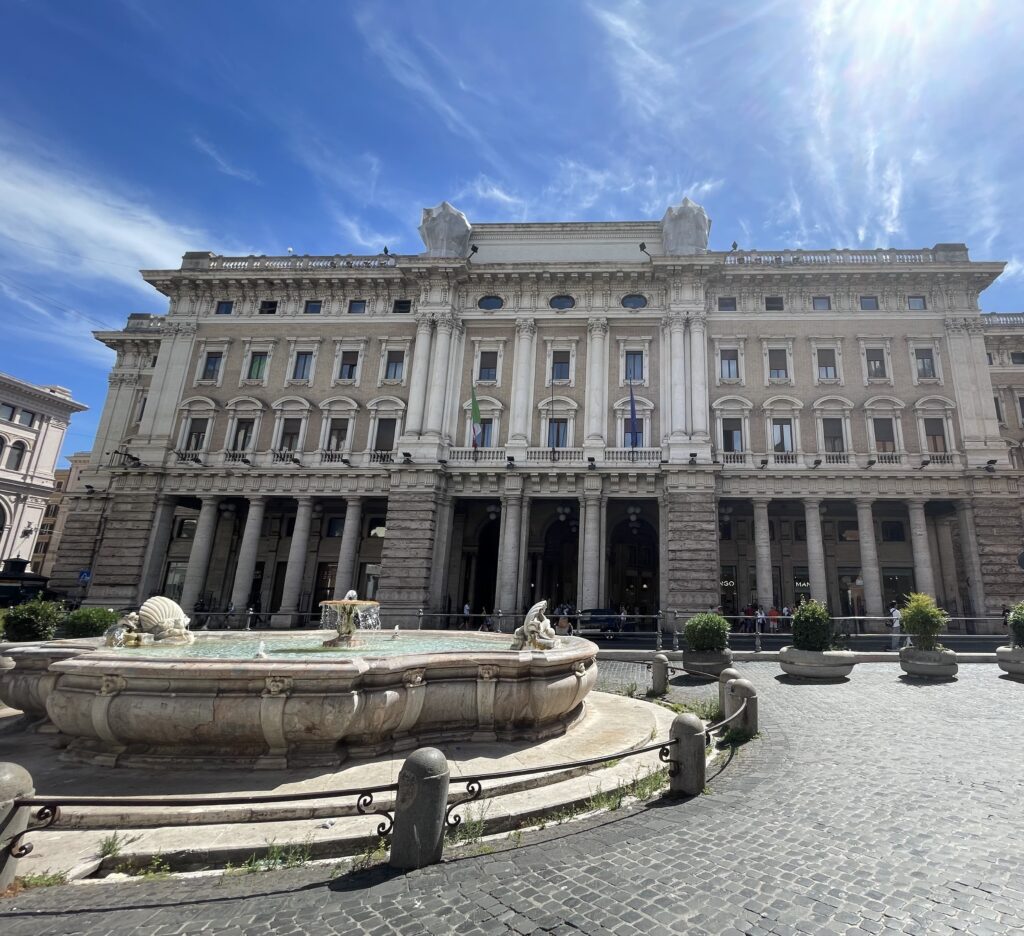
Piazza Colonna on Via del Corso, one of Rom’s political and economic hubs, is graced by another expansive fountain. Famous buildings surround the square: Palazzo Chigi, which has been the official seat of the Italian prime minister since 1961, as well as Palazzo Ferrajoli and Palazzo Wedekind.

The fountain was created by Giacomo della Porta and realized by the sculptor Rocco Rossi in 1575.

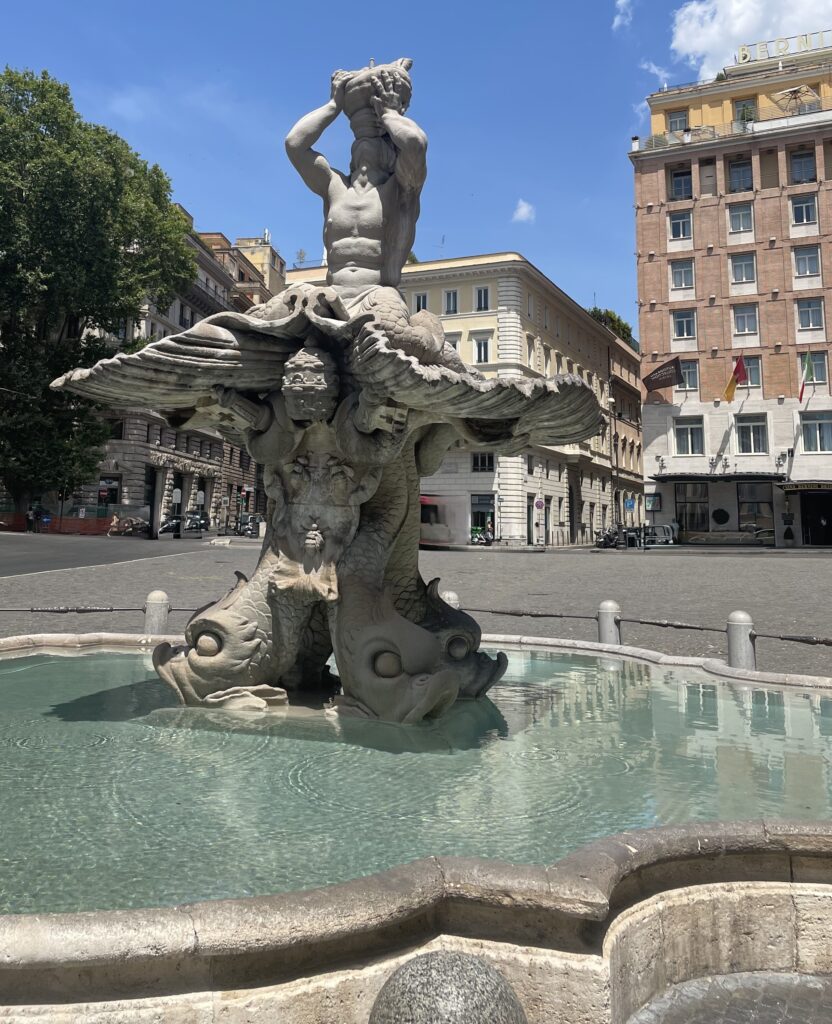
Piazza Barberini is defined by the fountain Fontana del Tritone, made by Bernini in 1642/43, on behalf of Urban VIII. The sea god spews water from a seashell, a bee – the family’s symbol – adorns the base of the sculpture.

And these are just a few places and their beautiful decorations in the Eternal City worth mentioning.

Ancient Rome

Even the allure of the city’s ancient sites, this time, I sought to explore in the morning. And experienced them – literally – in a different light.

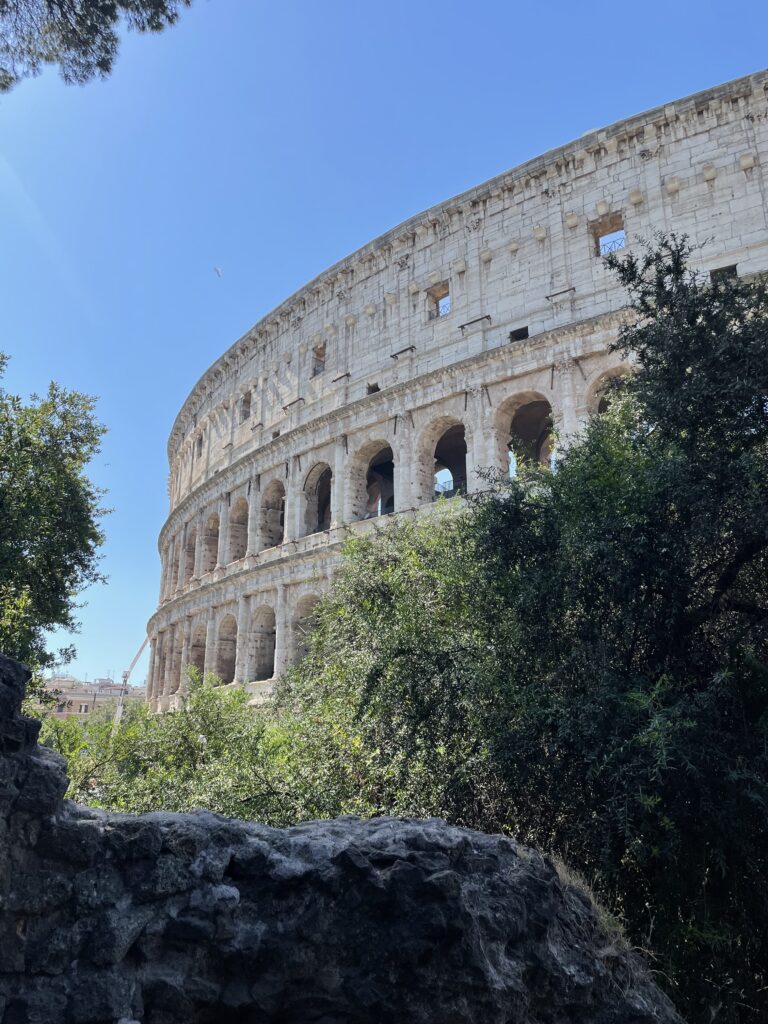
The area of the Imperial Fora, thus rich in aerchaeological treasures, is home to one of Rome’s most impressive ancient remains: the Colosseum. It outer wall dominates the site. The building, erected between 72 and 80 A.D. by Jewish slaves, was once known as the Flavian amphitheater. For its inauguration Emperor Titus proclaimed games which lasted 100 days and during which up to 5,000 wild animals were killed.

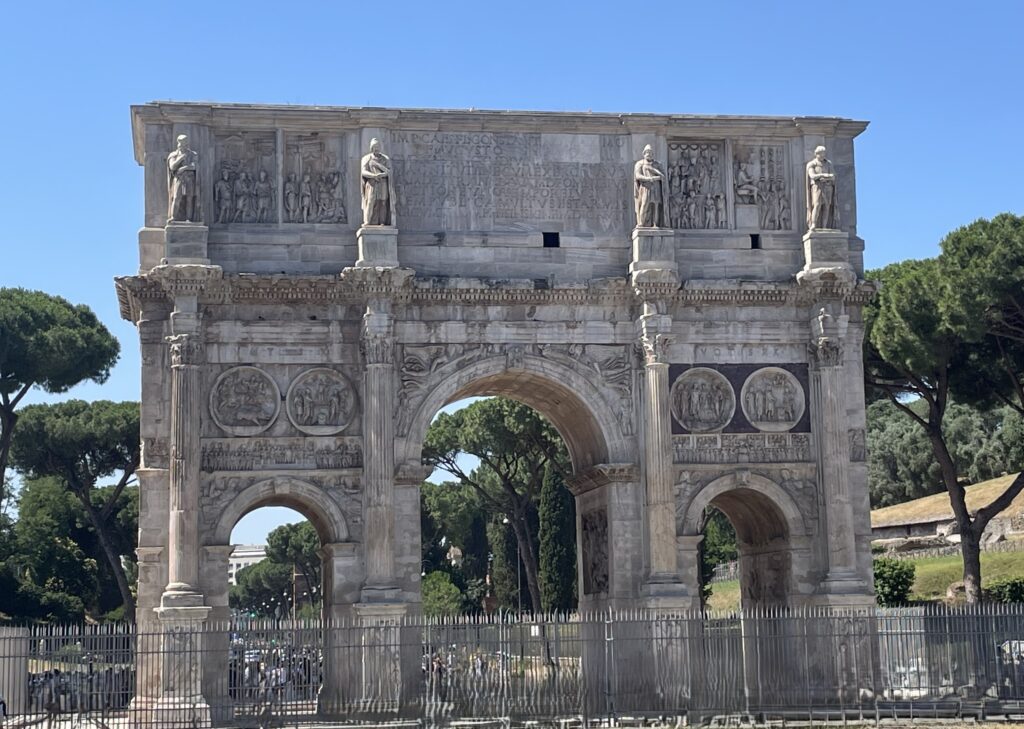
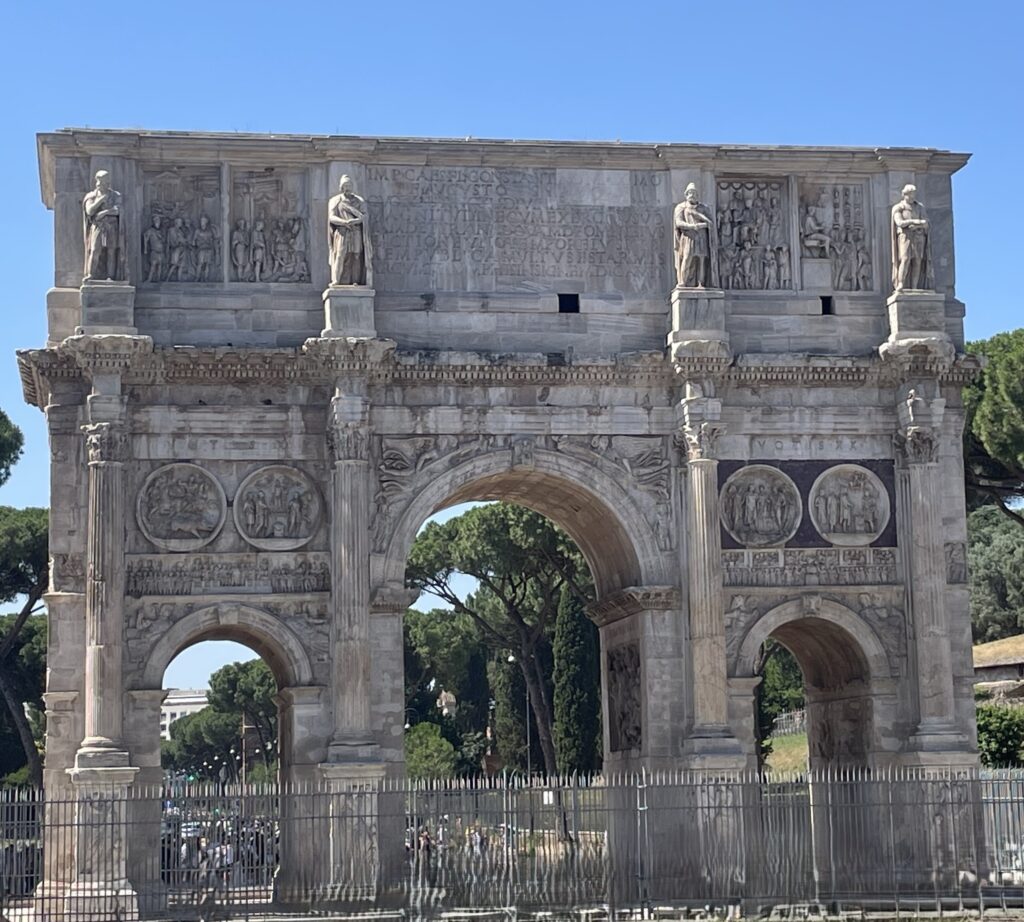
To mark Emperor Constantine’s victory over Maxentius, the Arch of Constantine was erected. Although Constantine introduced Christianity, the ornamentation of this triumphal arc draws upon older pagan monuments, such as its hunting scenes.

To mark Emperor Constantine’s victory over Maxentius, the Arch of Constantine was erected. Although Constantine introduced Christianity, the ornamentation of this triumphal arc draws upon older pagan monuments, such as its hunting scenes.

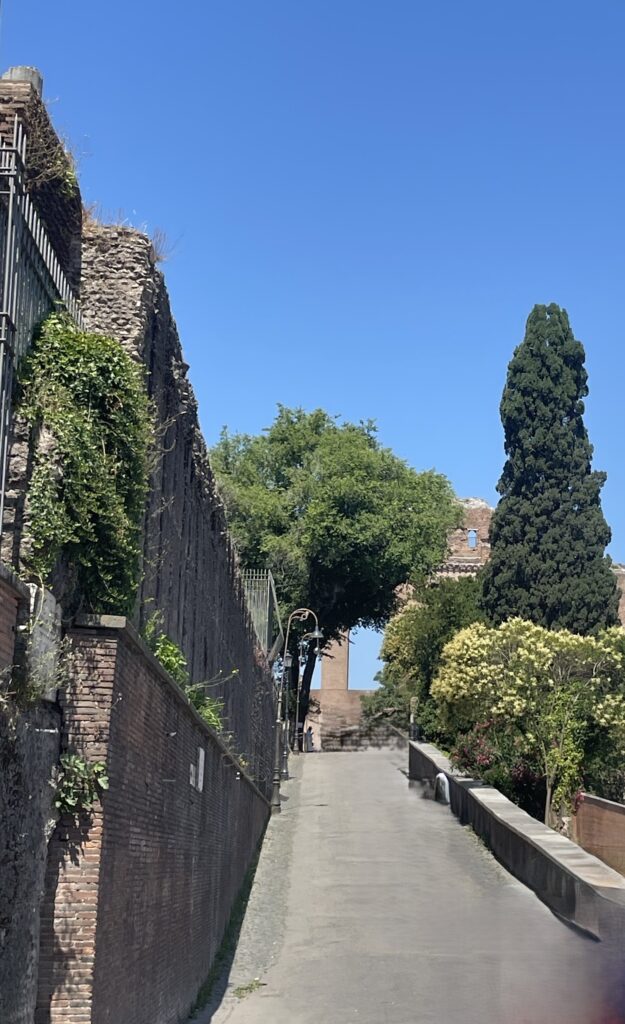
From there, a fascinating path leads us up the Palatine, the birthplace of the city of Rome. The hill later became the luxurious residence of its rulers; annual excavations continue to bring new finds to light even today.

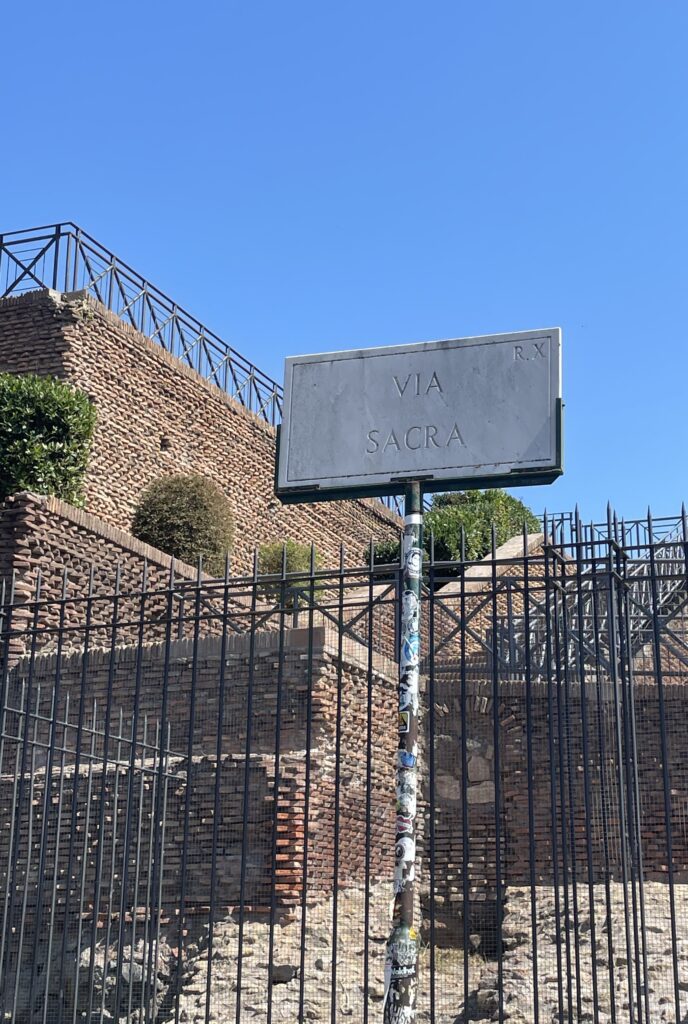
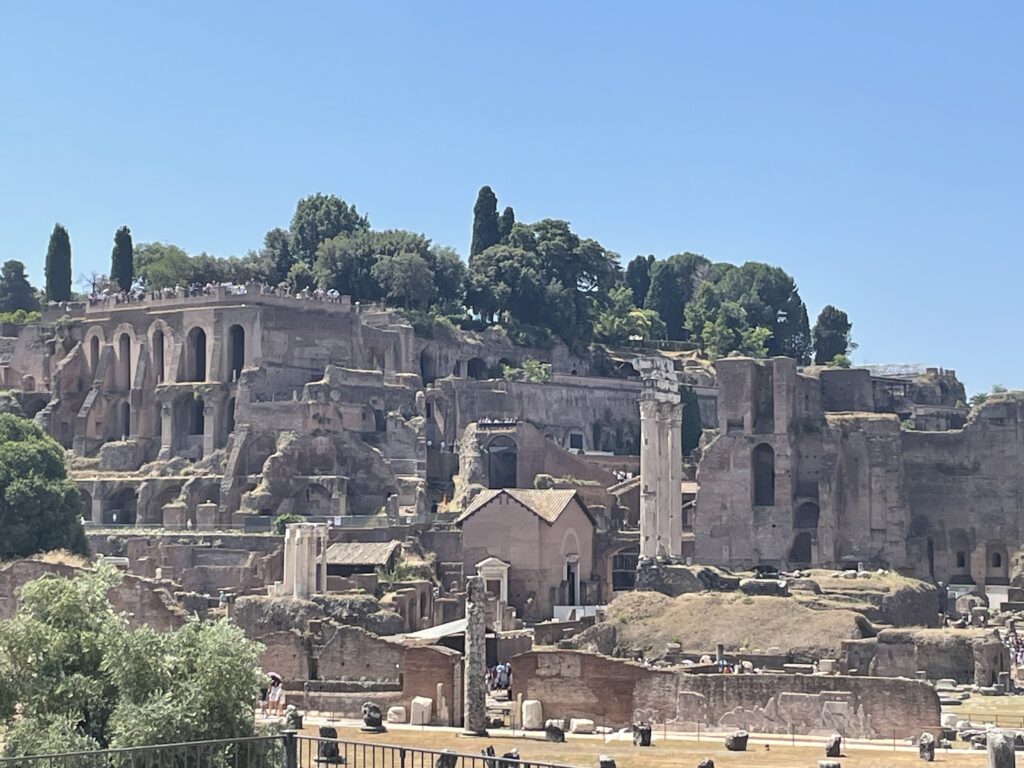
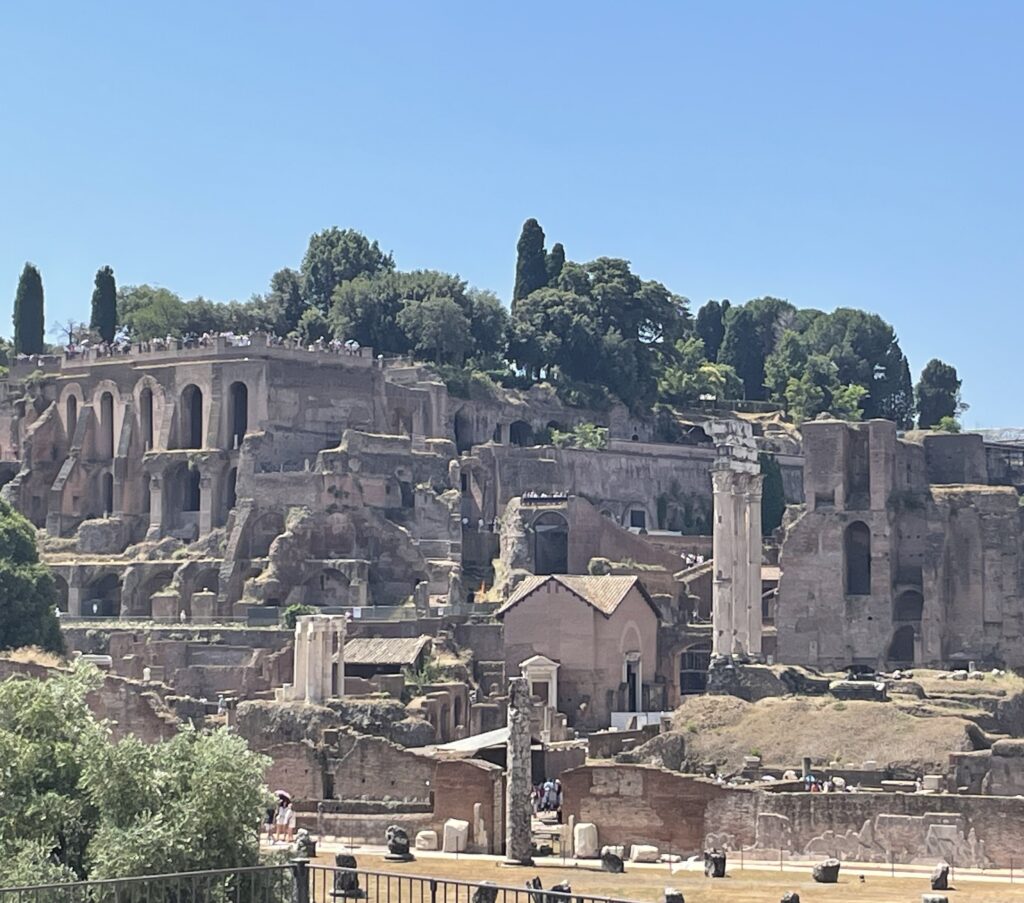
And finally the street along the Roman Forum. The extensive area of ruins, in part very well preserved, reflects the full splendor of ancient Rome and around 1,000 years of its history.

Tempels, basilicas, pavilions and markets lined the ground. They served as cult, as trading or government  centres and as venues for public as well as sporting  gatherings or even court hearings.

Tempels, basilicas, pavilions and markets lined the ground. They served as cult, as trading or government  centres and as venues for public as well as sporting  gatherings or even court hearings.

Thus probably laying the cultural foundation for one of the most multifaceted cities in its class and style in Europe – still to this day.

Published August 13, 2026

You may also like

Next Article

Next Article